Estrategia de concienciación de marca [La guía definitiva para 2026]
Índice
Cuando ves una manzana mordida, una simple marca de verificación o una ‘G’ colorida, inmediatamente piensas en Apple, Nike y Google. Ese reconocimiento instantáneo es el poder del reconocimiento de marca. ¿Quieres asegurarte de que tu marca también deje una impresión duradera? Estás a punto de descubrir cómo.
- Conocimiento de la marca describe el grado en que los consumidores reconocen y recuerdan una marca, incluidos sus productos, logotipo y valores. Es un elemento clave del marketing, que ayuda a las empresas a fidelizar a sus clientes y a destacar en un mercado competitivo.
- Creación de conciencia de marca Es un proceso estratégico que consiste en crear una imagen de marca única y darla a conocer al público objetivo mediante diversas tácticas de marketing, comunicación y visibilidad (contenido, redes sociales, publicidad, relaciones públicas y educación).
- El elemento indispensable de una estrategia de reconocimiento de marca es la medición. el reconocimiento de tu marca, las asociaciones y los efectos de tus acciones destinadas a reforzarlos.
En este artículo, exploraremos nueve estrategias eficaces para desarrollar tu presencia de la marca y garantizar que destaque en el competitivo mercado actual.
¿Qué es la notoriedad de marca? Definición
Conocimiento de la marca Es el grado en que los clientes reconocen y recuerdan una marca, incluyendo su nombre, logotipo, productos y otros elementos de identidad.
Es un punto crítico. primera etapa del embudo de marketing porque los consumidores deben estar familiarizados con una marca antes de poder considerar la posibilidad de comprar sus productos.
La concienciación existe en un espectro que va desde el desconocimiento total hasta un alto nivel de recuerdo y reconocimiento de la marca.. Cuanto mayor sea el reconocimiento de marca, mayor será la probabilidad de que las personas confíen en una marca y elijan sus productos frente a los de la competencia.
En pocas palabras: Reconocimiento de marca = la capacidad de las personas para reconocer y recordar tu marca.
7 pasos para una estrategia sólida de reconocimiento de marca
Una estrategia completa de reconocimiento de marca requiere un enfoque holístico.
Comienza con la definición de la identidad de tu marca y tu público objetivo, y continúa con tácticas de marketing intencionadas que sitúan tu marca ante las personas adecuadas.
Entre esas tácticas clave se incluyen el marketing de contenidos, las redes sociales, las relaciones públicas, la publicidad, la formación, la presencia en eventos y la medición continua del conocimiento de la marca.
¿Listo para sumergirte? ¡Genial! ¡Pues vamos allá!
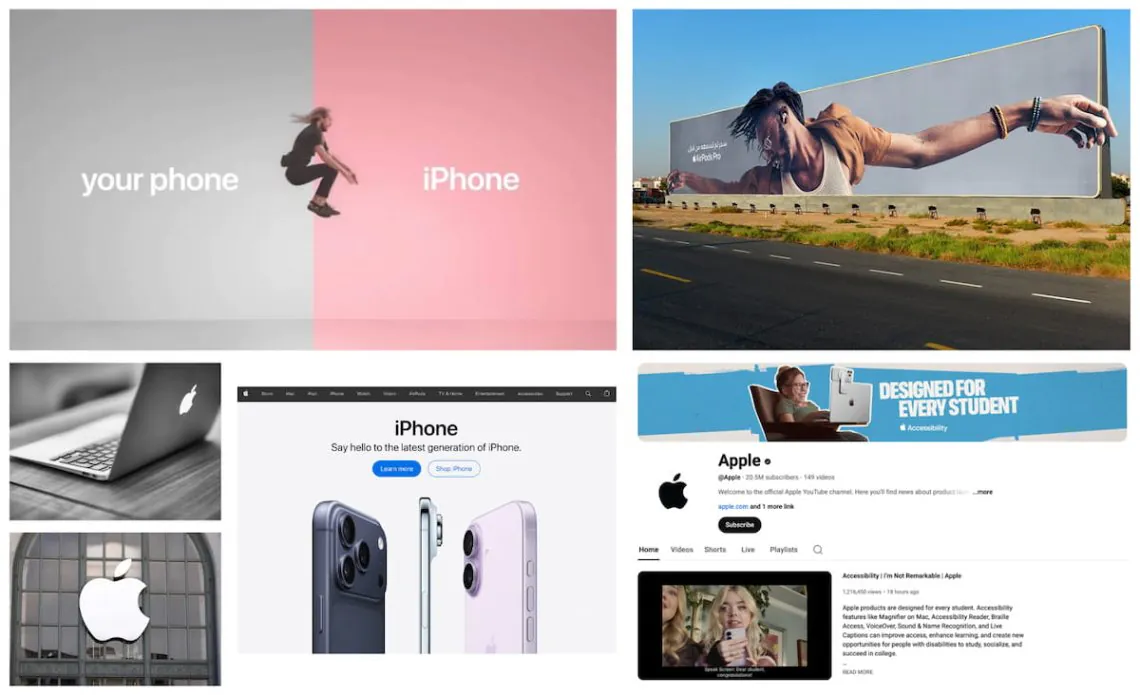
01 Crear una identidad de marca coherente
Identidad de marca Es el conjunto de elementos que utiliza una marca para presentarse, diferenciarse de otras y moldear la percepción que tiene el público de ella.
En resumen, la identidad de marca responde a qué y por qué la empresa quiere ser ante los ojos de los demás.
Es esencial para tu estrategia de reconocimiento de marca, ya que la identidad de marca representa a tu marca, genera reconocimiento y se queda grabada en la mente de los consumidores.

En la práctica, la identidad de marca incluye:
Imágenes:
- Logotipo – tu marca gráfica única que representa a la marca
- Paleta de colores – los colores específicos que utilizas de forma coherente en todos los materiales de marca y marketing.
- Tipografía – la fuente o fuentes elegidas y cómo se utilizan.
- Estilo de los elementos gráficos – El estilo general de diseño que utilizas, incluyendo iconos, formas, ilustraciones e infografías.
Mensaje de marca:
- Marca – el nombre principal de la empresa o del producto
- Historia de la marca – Un trasfondo único y cautivador sobre la creación y el desarrollo de tu marca.
- Voz y tono de la marca – La personalidad de tu marca y tu estilo de comunicación.
- Eslóganes y lemas – Frases pegadizas y memorables que capturan la esencia de tu marca y crean asociaciones rápidas.
Estratégico:
- Valores de marca – Las creencias y principios fundamentales que guían las acciones y decisiones de tu marca.
- Posicionamiento – Una explicación clara de cómo tu marca se diferencia de la competencia y por qué es importante para tu público objetivo.
- Propuesta única de valor (UVP) – El beneficio específico que hace que tu oferta destaque y convence a la gente para que te elija.
02 Conozca a su público
Comprender a su público es uno de los pilares fundamentales para crear una conciencia de marca eficaz. No se puede generar reconocimiento si no se sabe quién debe reconocerla.
Cuanto más claramente comprendas las necesidades, expectativas y comportamientos de tu público objetivo y tus clientes potenciales, más fácil te resultará descubrir cómo llegar a ellos con el mensaje adecuado.
En resumen, comprender a la audiencia de tu marca es fundamental para llegar a ella en el momento adecuado, en el lugar adecuado y con el mensaje adecuado.
A continuación, te presentamos algunas tácticas prácticas que puedes utilizar para encontrar y comprender a tu público objetivo:
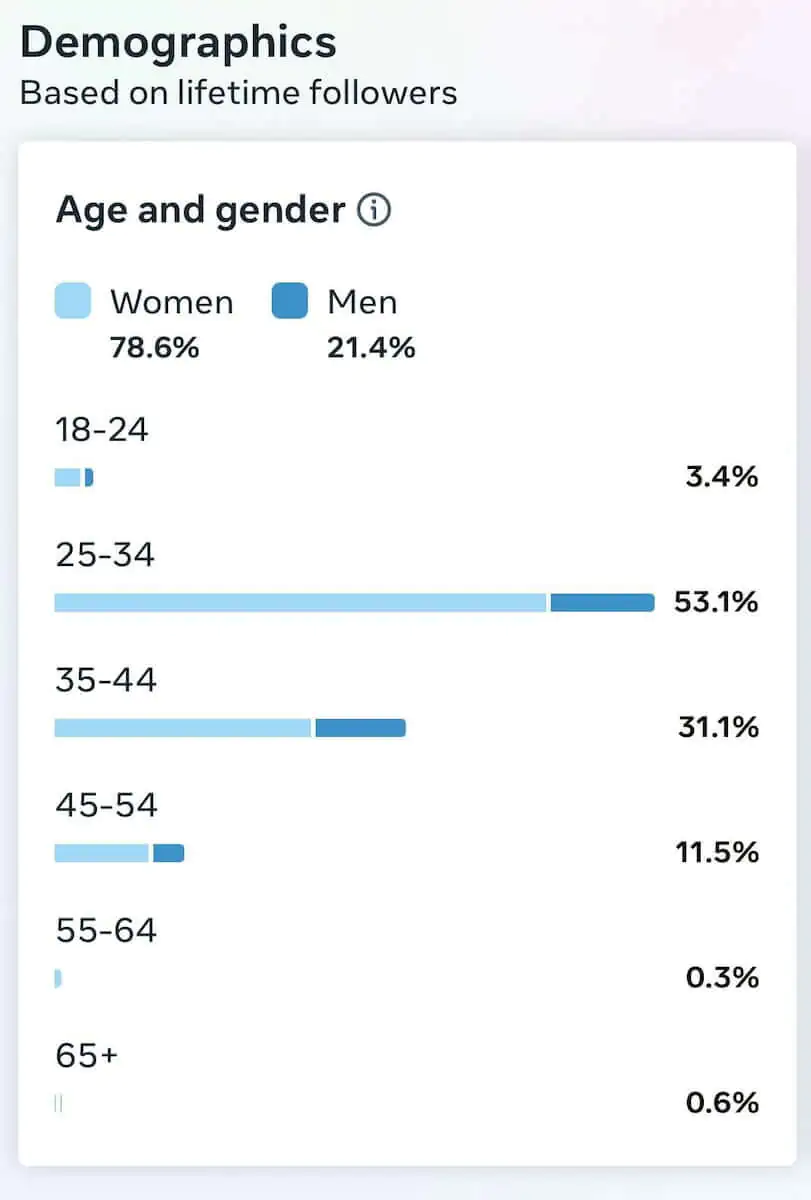
Utiliza los datos de tus clientes actuales.
Google Analytics, Google Search Console, CRM o incluso las herramientas nativas de análisis de redes sociales ofrecen una gran cantidad de información sobre tu público, como por ejemplo:
- Demografía
- Tendencias de comportamiento
- Consultas de búsqueda
- Contenido y productos a los que los clientes vuelven
Utilizar la escucha social
Escucha social Es un proceso de seguimiento y análisis de las conversaciones en línea sobre su marca, su sector, sus competidores y temas relevantes en fuentes de medios sociales y no sociales.
Las herramientas de escucha social, es decir, el software que automatiza este proceso, pueden proporcionar información muy interesante sobre:
- De qué habla tu público objetivo – para que puedas comprender sus necesidades, problemas y expectativas, y adaptar tu mensaje.
- Dónde tienen lugar esas conversaciones – para que puedas centrarte en las plataformas que realmente importan para tu marca.
- ¿Cuál es su opinión sobre los distintos aspectos de su marca? – para que puedas abordar la negatividad y destacar los aspectos positivos.
- Evaluación comparativa de la competencia – para que puedas descubrir el nivel de reconocimiento de tu marca en relación con tus competidores en el mercado.
- Detalles demográficos de tu público objetivo – para que puedas ajustar el idioma y los mensajes
- ¿Qué perfiles o personas influyen en las opiniones de tu nicho? – para que puedas identificar socios potenciales que te ayuden a conseguir una mayor exposición de tu marca.
03 Amplificar el marketing de contenidos
Al hablar de tácticas para aumentar la notoriedad de marca, no debemos olvidar la creación de contenidos.
Según el Instituto de Marketing de Contenidos, El 87% de los profesionales del marketing B2B mejoró el conocimiento de la marca. con la creación de contenido cautivador. ¡No es ninguna sorpresa!
El marketing de contenidos genera confianza y experiencia. al proporcionar información fiable que la gente busca, posiciona a la marca como líder intelectual y aumenta visibilidad de marca a través del tráfico orgánico y la búsqueda social.
En resumen, crear contenido que resuelva problemas reales atrae y capta a nuevas audiencias, lo que las familiariza con tu marca y refuerza su fidelidad.
Estos son los elementos que hay que tener en cuenta para maximizar el impacto del marketing de contenidos en el reconocimiento de marca:
Combinación de contenidos
La combinación de contenidos se refiere al uso de una combinación de múltiples formatos de contenido, como entradas de blog, vídeos, podcasts, boletines informativos por correo electrónico, seminarios web y publicaciones en redes sociales, para atraer y captar la atención del público objetivo.
En el panorama digital y las preferencias de consumo de contenidos en constante cambio, utilizar diversos tipos de contenidos es fundamental para llegar más allá de su público actual.
SEO
La optimización para motores de búsqueda desempeña un papel crucial en el descubrimiento de tu marca.
Cuanto más a menudo vean las personas tu marca en las páginas de resultados de los motores de búsqueda (SERP), mayor será la probabilidad de que la recuerden y la reconozcan.
GEO
Además del SEO, piensa en el GEO, que significa «optimización generativa de motores», es decir, optimizar tu contenido para herramientas de búsqueda basadas en IA, como ChatGPT, Gemini y Perplexity.
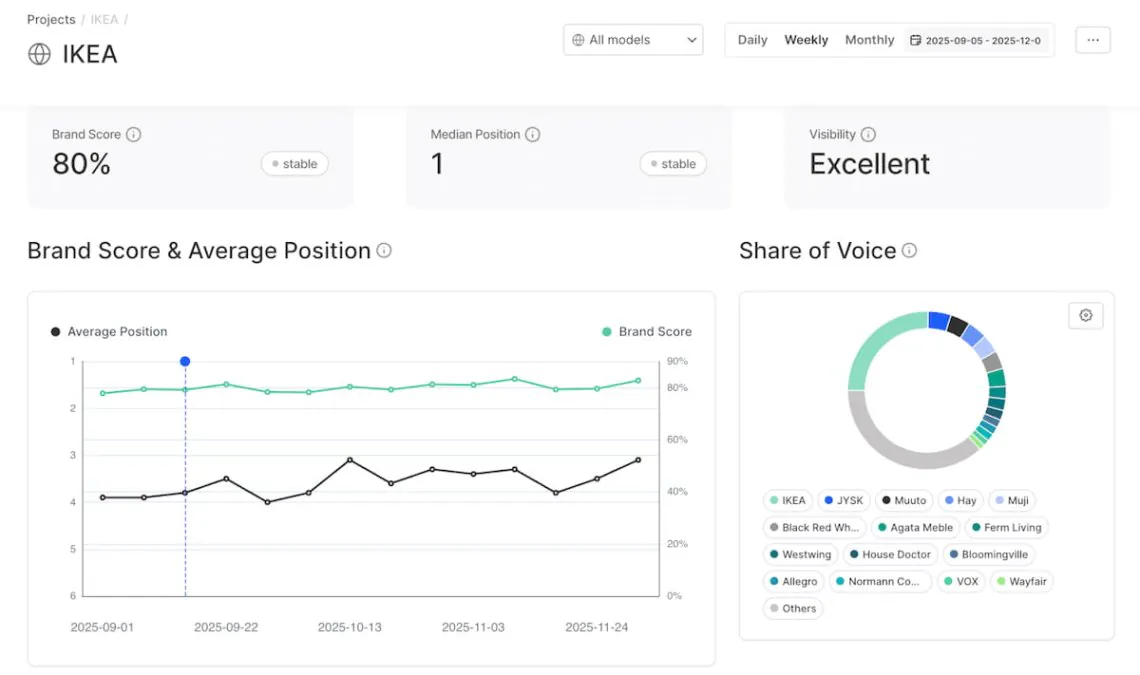
En el panorama rápidamente cambiante del comportamiento de búsqueda y la creciente importancia de Visibilidad de la marca AI, cada vez es más importante estructurar el contenido para que los modelos de IA puedan interpretarlo y citarlo fácilmente.
Para obtener consejos prácticos, te recomiendo encarecidamente que leas Guía completa de Chatbeat sobre cómo ganar visibilidad de marca en modelos de IA y búsquedas con IA.
Contenido educativo de alto compromiso
Crear contenido educativo es una de las tácticas más eficaces para aumentar la notoriedad de la marca.
Según la investigación de Conductor, el contenido educativo puede ¡Aumenta la confianza en tu marca en un 9% en solo una semana!
No es de extrañar. Enseñar a los demás demuestra tu experiencia, genera credibilidad, atrae a nuevos clientes y posiciona tu marca como líder intelectual en el sector.
Aunque las entradas de blog y las guías pueden serte útiles, formatos educativos más profundos, como cursos, seminarios web, sesiones en directo y talleres., puede disparar la visibilidad de tu marca.
En requieren más tiempo y atención por parte de tu público, lo que los hace especialmente poderosos para reforzar el recuerdo de la marca.
Los formatos educativos con mayor nivel de participación son:
| Formato | Esfuerzo para prepararse | Participación del público | Impacto en el reconocimiento de marca |
| Sesiones en directo | ★★☆☆☆ | Medio: interacción en tiempo real, pero con poca capacidad de atención. | ★★★☆☆ |
| Seminarios en línea | ★★★☆☆ | Medio/alto: interacción en tiempo real, preguntas y respuestas. | ★★★★☆ |
| Talleres | ★★★★☆ | Alta: participación activa y resolución de problemas. | ★★★★★ |
| Cursos | ★★★★★ | Alto/muy alto: contacto con una marca durante varias horas o varios días. | ★★★★★ |
En su conjunto, el marketing de contenidos es un sistema interconectado:
- La combinación de contenidos multiplica el número de fuentes, lo que Mejora tu visibilidad en los motores de búsqueda y la IA generativa. herramientas.
- El contenido educativo demuestra experiencia, un elemento del factor de clasificación E-E-A-T fundamental de Google, que Aumenta la visibilidad de tu marca en búsquedas específicas de nicho..
- En última instancia, Estas tácticas se combinan para fortalecer el reconocimiento de su marca., Haciendo que tu marca sea más fácil de reconocer, recordar y en la que confiar.
04 Utiliza las redes sociales con prudencia.
Aunque la actividad en las redes sociales es una forma de marketing de contenidos, se trata de un tema tan importante y amplio que merece ser una táctica independiente para dar a conocer la marca.
Según Statista, El usuario medio pasa 2 horas y 21 minutos al día en las redes sociales.. Es una gran oportunidad para llamar la atención y, ¡exacto!, aumentar el reconocimiento de tu marca.
En resumen, las redes sociales crean conciencia de marca al aumentar la visibilidad, interactuar con los clientes y llegar a nuevas audiencias a través de contenido de calidad, anuncios pagados y colaboraciones con personas influyentes.
Esto es lo que debes recordar para optimizar tus esfuerzos en las redes sociales y aumentar el conocimiento de la marca:
Elegir la plataforma de medios sociales adecuada
Lo mejor de las redes sociales es que te ofrecen una plataforma que funciona bien para difundir tu mensaje. Lo único que tienes que hacer es enviar el mensaje adecuado a las personas adecuadas en el momento adecuado.
Y en la plataforma adecuada.
La plataforma adecuada para tu negocio es aquella en la que tus clientes están activos. Mira, no tienes que perder el tiempo averiguando cómo funcionan las historias de Instagram si nadie las ve.
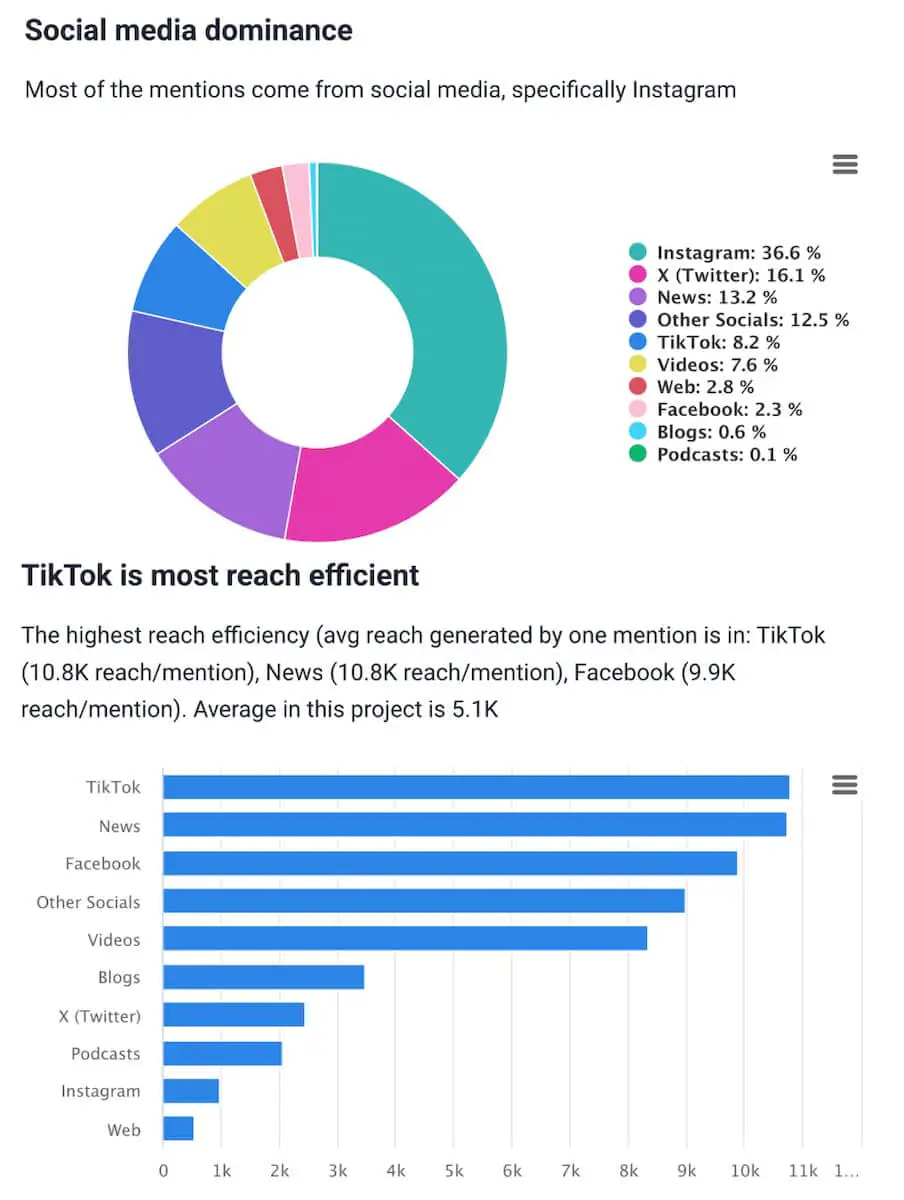
Para evitar conjeturas y malgastar el presupuesto, puedes descubrir qué plataformas de redes sociales se adaptan mejor a tus necesidades utilizando herramientas de escucha social como Brand24.
Con su análisis de métricas de IA, puedes averiguar fácilmente qué plataforma genera más mention sociales de tu marca y qué canal es el más eficaz en términos de alcance.
De esta manera, podrás optimizar tus campañas de marketing en redes sociales.
Publica contenido bueno, coherente y de alta calidad.
Decir que las redes sociales están llenas de contenido es, como mínimo, quedarse corto.
Según Estadísticas recopiladas por Bernard Marr & Co., Cada minuto (¡!), los usuarios ven más de 4 millones de vídeos en YouTube, envían casi 500 000 tuits en X (Twitter) y publican alrededor de 50 000 fotos en Instagram.
En un entorno tan sobresaturado, Solo el mejor contenido puede hacer que tu marca destaque y llame la atención.
Un buen contenido para redes sociales es:
- Correspondiente – se dirige directamente a tu público específico
- Claro – transmite el mensaje de forma rápida y sencilla
- Visualmente atractivo – utiliza un diseño de alta calidad y bien pensado
- Consistente – con la voz y el estilo de tu marca
- Valioso – educa, inspira, entretiene o resuelve un problema real.
- Auténtico – Se siente humano, real y crea una conexión entre tu público y tu marca.
💡 Consejo profesional
Crear una gran cantidad de contenido de alta calidad puede ser una tarea bastante abrumadora. ¡El contenido generado por los usuarios (UGC) puede ayudarte con eso! Solo recuerda pedir permiso al autor para volver a publicar su trabajo.
Además, cuando te encuentras con un gran fan de tu marca, esto puede ser un gran marketing de influencers oportunidad.
Colaboraciones con influencers
La colaboración con influencers es una de las tácticas más eficaces para aumentar la visibilidad de la marca. Puede hacer maravillas por el reconocimiento y la notoriedad de tu marca, ya que una buena colaboración puede:
- Amplíe el alcance de su marca exponiéndolo a un público más amplio y específico
- Mejora tu credibilidad y confianza., porque los influencers suelen ser considerados expertos o voces de confianza.
Según un Estudio de Marketing Dive, 69% de consumidores confían en los influencers. más que cualquier información procedente directamente de una marca.
- Aumenta el compromiso con tu marca, especialmente cuando los influencers crean contenido cautivador que suscita conversaciones y anima a los usuarios a participar.
¿Y qué debe caracterizar a un influencer para impulsar realmente el reconocimiento de tu marca?
Según la Revista de Marketing e Investigación Social, Los influencers más eficaces son aquellos que combinan:
- Autenticidad – Son transparentes con su público.
- Creatividad narrativa – Son expertos en narrar historias y crear imágenes.
- Alineación ética – Comparten los valores de tu marca.
- Personalización de la interacción – Interactúan con su público (no solo publican cosas).
- Ajuste de la plataforma – Están activos en las plataformas sociales donde tu público pasa tiempo de forma natural.
Si el influencer posee todas esas cualidades, hay muchas posibilidades de que transfiera de forma natural la confianza a las marcas que promociona.
Uno de mis amigos de la vida real, un influencer de estilo de vida y viajes con más de 137 000 seguidores fieles, estaba a punto de visitar Omán. Ese es el país que conozco bien, donde tengo amigos y al que organizo viajes.
Hicimos un trato: a cambio de que ella mencionara mi marca en sus Stories, yo le organizaría una aventura de tres días que incluiría un coche 4x4 con conductor, alojamiento completo, comida y actividades emocionantes como conducción todoterreno por el desierto, barranquismo, escalada y buceo.
En resumen, en solo dos meses, esta colaboración dio como resultado un Aumento de +495% en los seguidores de Instagram de mi marca, aumento de +320 % en las visitas al sitio web y siete inscripciones para mis viajes..
Comprométase con su público
Interactuar con tu público es una de las formas más sencillas pero eficaces de reforzar el reconocimiento de marca.
Las redes sociales no son un canal de comunicación unidireccional, sino una conversación.
Cuando respondes a comentarios, contestas preguntas, reaccionas al contenido de los usuarios y participas en debates relevantes, tú muestra a tu público que hay personas reales detrás de la marca.
En la práctica:
- Responder responder rápidamente a los comentarios
- Reaccionar a mentions (etiquetados y sin etiquetar)
- Únete debates en tu nicho
- Preguntar formular preguntas, realizar encuestas, fomentar opiniones
💡 Consejo profesional
Con una herramienta como Brand24, puedes realizar un seguimiento de cada mention de tu marca, tanto etiquetados como sin etiquetar.
Esto te permite unirte a conversaciones que de otro modo te habrías perdido, responder más rápido y convertir los mention en puntos de contacto significativos que aumentan el reconocimiento de tu marca.
05 Aumente su visibilidad con relaciones públicas
Relaciones públicas puede reforzar significativamente el reconocimiento de su marca al generar credibilidad y experiencia, moldear la percepción pública y aumentar la visibilidad a través de la cobertura mediática.
Es un juego de reconocimiento a largo plazo mediante diversas tácticas, entre ellas las relaciones con los medios de comunicación, la creación de contenidos y el liderazgo intelectual.
En resumen, las relaciones públicas amplían el conocimiento de su marca al obtener exposición en medios relevantes, asegurar citas y mostrar su experiencia.
A continuación, te mostramos cómo puedes utilizar las relaciones públicas para dar a conocer tu marca en la práctica:
Establezca relaciones auténticas con los periodistas.
Conéctese con los medios de comunicación y periodistas influyentes dentro de su nicho para impulsar su cobertura mediática a través de comunicados de prensa específicos y redes de contactos.
Recuerde que establecer relaciones a largo plazo basada en la confianza hace que los periodistas mucho más probable que trabaje con usted en lugar de ponerse en contacto solo cuando “necesita cobertura”.
Crea contenido que se pueda citar.
Las listas, los libros electrónicos, los informes y los estudios pueden ser elementos valiosos de tu estrategia de relaciones públicas digitales. Ellos Aumenta tu visibilidad y aumentar las cotizaciones que son muy valiosos para tus esfuerzos de SEO y GEO.
La creación de activos basados en datos o en conocimientos posiciona a tu marca como una fuente autorizada a la que los periodistas y creadores son más propensos a referirse.

Anime y apoye a sus empleados para que desarrollen sus marcas personales.
Las actividades de relaciones públicas no tienen por qué gestionarse exclusivamente a través de un equipo de comunicación o una agencia de relaciones públicas.
Sus empleados expertos pueden mostrar sus conocimientos, compartir ideas y convertirse en voces influyentes dentro de su sector.
Cuando más personas de la organización hablan públicamente – ya sea en LinkedIn, en entrevistas, en conferencias o a través de artículos de liderazgo intelectual – La visibilidad de tu marca crece de forma natural..
Sé parte activa de una comunidad.
Únete a grupos relevantes, participa en debates en Reddit y ofrece valor real sin promocionar tu agenda cada vez.
Las comunidades, como los foros, los grupos de redes sociales, los canales de Slack o los círculos profesionales fuera de línea, premian a las marcas que se muestran constantes, escuchan primero y ayudan a resolver problemas.
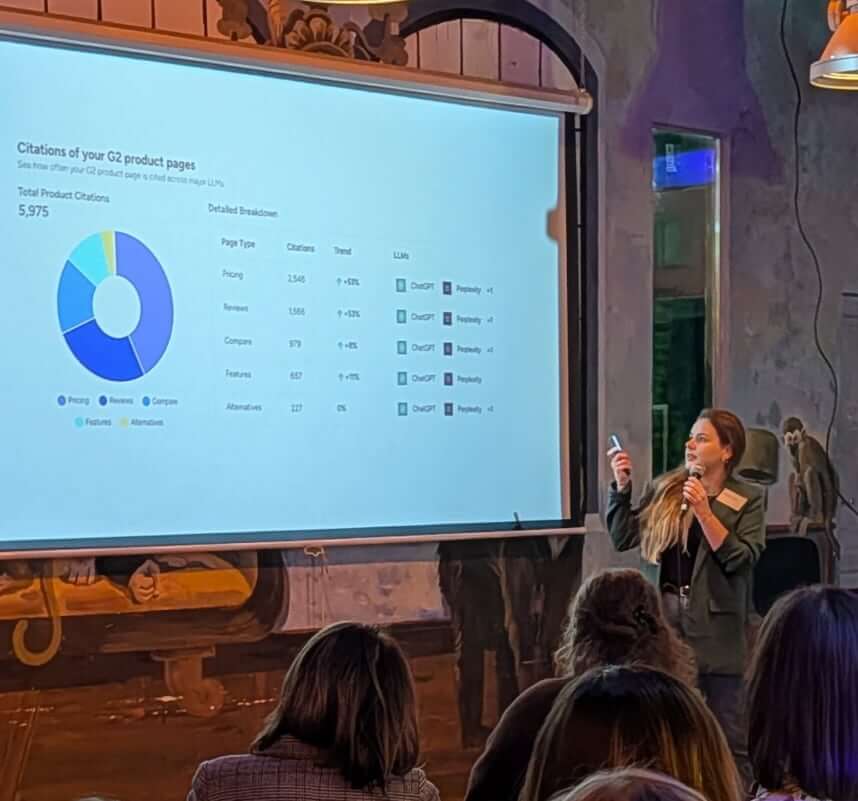
Además, patrocinar eventos que se alineen con la identidad de tu marca, Organizar encuentros offline para fortalecer las relaciones con los clientes o socios, y participar en diversos eventos profesionales para desarrollar tu liderazgo intelectual.
06 Implementar publicidad de pago
Publicidad pagada Es una de las formas más rápidas y fiables de aumentar la visibilidad de la marca, lo cual es un componente crucial del reconocimiento de marca.
Es como añadiendo un foco de atención a sus esfuerzos por dar a conocer su marca.
En lugar de esperar a que la gente se tope con tu contenido orgánico, pones tu marca ante el público adecuado en el momento adecuado.
En resumen, mientras que marketing ecológico genera confianza y publicidad pagada aumenta la visibilidad, tu La estrategia de reconocimiento de marca necesita ambos.
A continuación, te explicamos cómo utilizar los anuncios pagados de forma eficaz para reforzar el reconocimiento de marca:
Elige formatos publicitarios orientados a la concienciación.
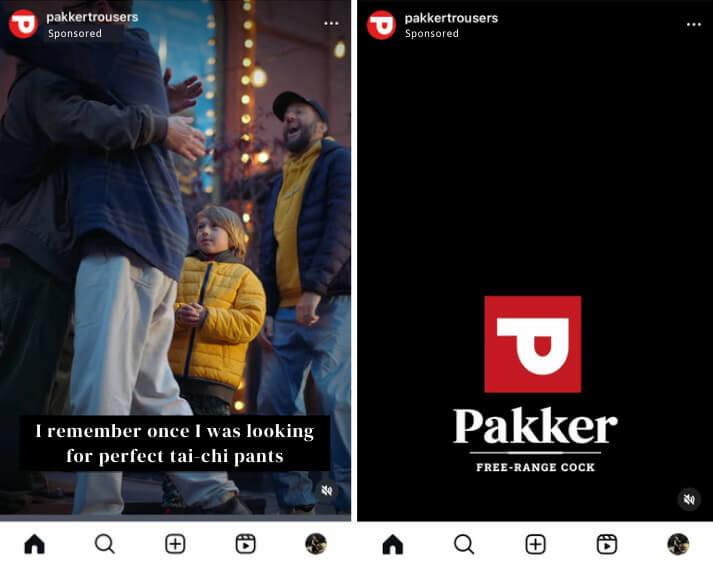
La mayoría de las plataformas publicitarias ofrecen formatos específicos diseñados para el reconocimiento y el recuerdo de la marca. Si tu objetivo es aumentar la notoriedad de la marca, elige aquellos diseñados para el alcance y el volumen de impresiones, no para las conversiones.
Cuenta la historia
Los anuncios de concienciación no son demostraciones de productos. No son mensajes del tipo “Compre ahora”.
En su lugar, deberían:
- Presente la personalidad de tu marca
- Mostrar los valores de tu marca
- Describir el problema que resuelves
- Gatillo emociones
- Plantar una semilla para el futuro
En la práctica, utilice mensajes breves, fáciles de recordar y visualmente coherentes que se queden grabados en la mente del público tras solo unos segundos.
Utilizar el retargeting
El retargeting es una táctica que consiste en mostrar anuncios personalizados a usuarios que han interactuado con tu marca anteriormente (por ejemplo, han visitado tu sitio web), pero no han completado la acción deseada.
Dependiendo de cómo configures tu campaña de retargeting de reconocimiento de marca, esta puede:
- Recuerda a los visitantes tu marca. – mostrando anuncios a las personas que visitaron tu sitio web pero no interactuaron con él.
- Vuelve a conectar con los usuarios de las redes sociales. – mostrando anuncios a personas que interactuaron con tu contenido en redes sociales, pero no exploraron más allá.
- Aumentar la familiaridad con el tiempo. – mostrando anuncios a personas que han visto tu contenido en otros sitios.
07 Medir el conocimiento de la marca
Medición del conocimiento de marca es complicado. En definitiva, no existe una escala única y universal que permita afirmar: “¡Eh, este mes nuestra notoriedad de marca ha mejorado hasta alcanzar los 420!”.”.
En resumen, para medir el conocimiento de la marca, se necesita un conjunto de señales que, en conjunto, ofrezcan una imagen realista de la visibilidad, el reconocimiento y la memorabilidad de la marca.
Algunas señales captan el alcance, otras reflejan el recuerdo y otras muestran cómo te perciben las personas.
Solo cuando tú ponlos juntos puede realmente ves si el reconocimiento de tu marca está creciendo.
Para realizar un seguimiento eficaz de la notoriedad de la marca, es necesario:
Realiza un seguimiento de las métricas clave de reconocimiento de marca.
Cada estrategia de reconocimiento de marca (como el marketing de contenidos, las redes sociales o las relaciones públicas) tiene su propio conjunto de métricas.
Independientemente de las estrategias que elijas, es útil supervisar algunas métricas generales de reconocimiento de marca que se aplican a casi cualquier marca.
Entre ellos se incluyen, por ejemplo:
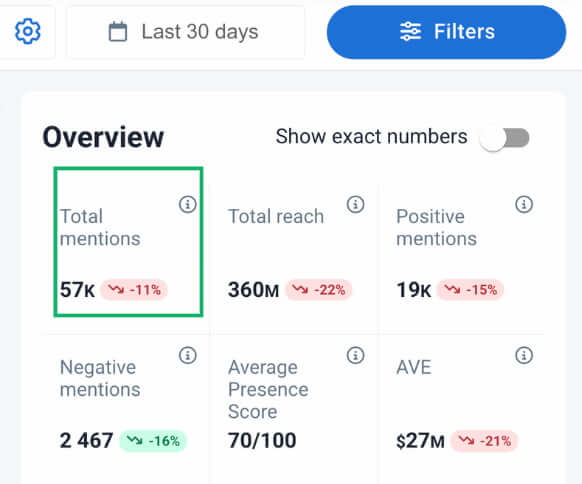
- Volumen de la marca mentions – Con qué frecuencia se habla de tu marca en Internet.
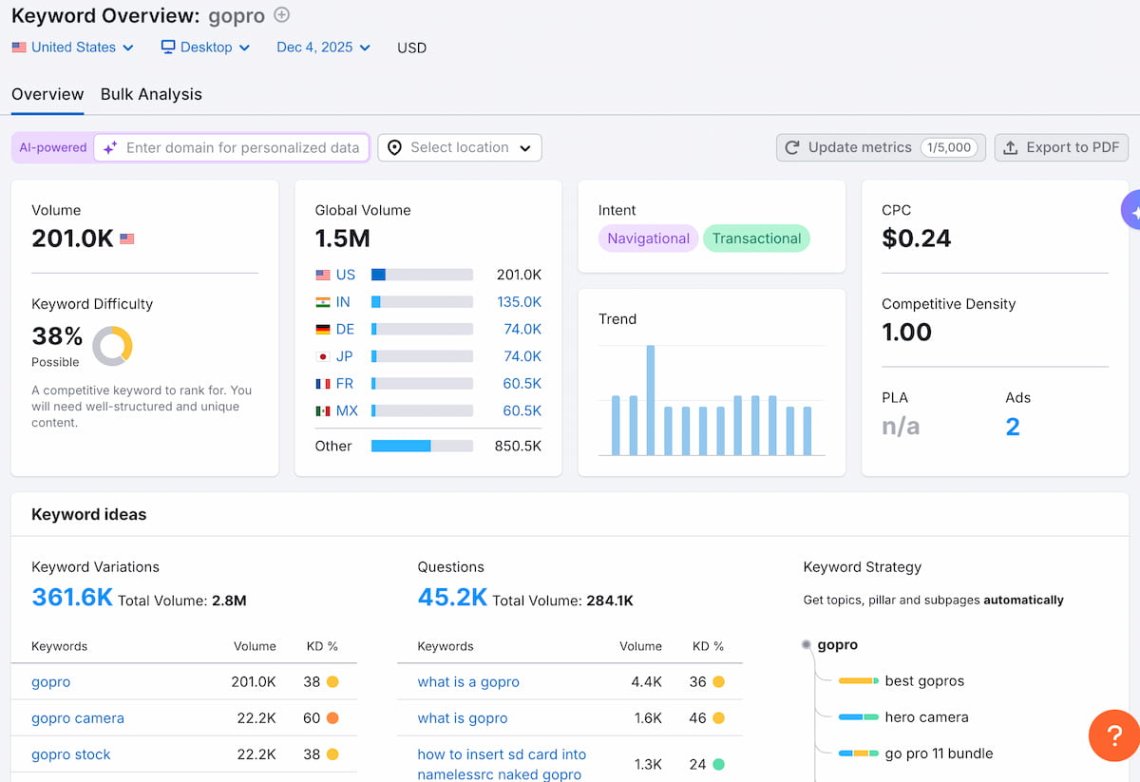
- Volumen de búsquedas de marcas – Con qué frecuencia los usuarios buscan el nombre de tu marca.
- Puntuación de presencia – una métrica nativa Brand24 que presenta la popularidad online de una marca en un momento dado en una escala del 0 al 100. Muy útil para obtener una visión rápida del reconocimiento actual de tu marca.
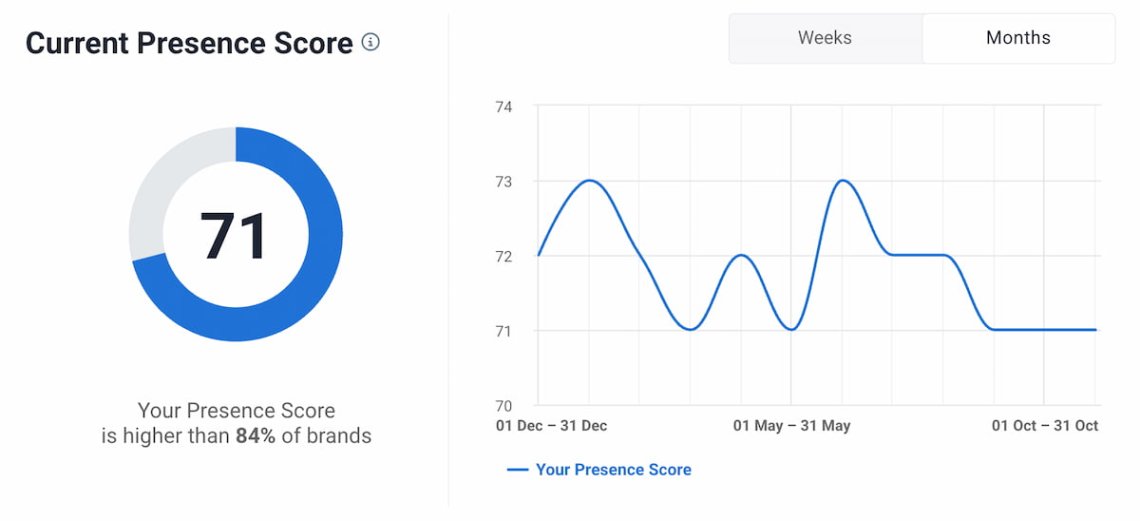
Explora el tema: Métricas clave de reconocimiento de marca que debes medir
Implementar métricas específicas para cada táctica.
Una vez que tengas bajo control tus indicadores de conciencia general, ve un nivel más allá.
Cada táctica de reconocimiento de marca que utilices requiere su propio conjunto de métricas granulares y específicas del contexto.
Por ejemplo:
- Para marketing de contenidos, realizar un seguimiento del crecimiento del tráfico orgánico, el alcance del contenido, el tiempo de permanencia en la página, la visibilidad en SERP y IA, etc.
- Para redes sociales, realizar un seguimiento de la tasa de interacción, el crecimiento de seguidores, los CTR, el tiempo de visualización de vídeos, etc.
Más información: Métricas de redes sociales que hay que seguir para alcanzar el éxito
- Para relaciones públicas, puede centrarse en los medios mentions, el tráfico del sitio web procedente de una campaña de relaciones públicas o análisis de opiniones.
- Para publicidad pagada, analizarás el coste por mil impresiones (CPM), la frecuencia, la tasa de visualización y los resultados de Brand Lift.
Estas métricas detalladas muestran qué tácticas contribuyen más a tu visibilidad y si tus esfuerzos por dar a conocer tu marca realmente funcionan.
Utiliza las herramientas adecuadas para dar a conocer tu marca.
Hacer un seguimiento manual del reconocimiento de marca es casi imposible.
Afortunadamente, existen excelentes herramientas que te ayudan a recopilar datos, analizar resultados, proporcionar información y tomar decisiones más inteligentes.
Lee: Las mejores herramientas de reconocimiento de marca para hacer crecer tu negocio
PREGUNTAS FRECUENTES
¿Cuánto tiempo se tarda en crear conciencia de marca?
Depende de varios factores, como el tamaño y el alcance de su público objetivo, el presupuesto de marketing y las estrategias de marketing.
Sin embargo, con una campaña de concienciación de marca bien planificada y ejecutada, puede empezar a ver resultados en pocos meses.
El reconocimiento de marca es un proceso a largo plazo. La clave está en construirlo día a día, de forma constante.
¿Por qué es importante la notoriedad de marca?
- Aumentar la confianza de los clientes
El reconocimiento de marca genera confianza al comunicar de manera consistente sus valores y su misión. La confianza conduce a compras repetidas, una mayor lealtad y, en última instancia, a mayores ingresos. - Aumento del valor de la marca
La concienciación aumenta las interacciones con tu marca, lo que naturalmente refuerza la confianza y la percepción. Estas asociaciones positivas fortalecen el valor global de tu marca. - Facilitando el marketing
Una fuerte concienciación crea asociaciones instantáneas con tu categoría de productos, lo que hace que tu marca sea la primera en la mente de los consumidores. Esto reduce la fricción del marketing y alimenta el boca a boca orgánico. - Ayudar a llegar al público objetivo
Las marcas conocidas atraen nuevos clientes más fácilmente y a un menor coste. La notoriedad ayuda a llegar a un público más amplio y atrae a más personas a tu embudo de ventas. - Influir en las decisiones de compra de los consumidores
La gente prefiere las marcas conocidas, ya que, según Investigación de mercado de Red C, 82% elige opciones conocidas en lugar de desconocidas. Por lo tanto, una mayor concienciación aumenta directamente tus posibilidades de ser seleccionado. - Fidelización a la marca
La concienciación genera reconocimiento y familiaridad, lo que ayuda a los clientes a sentirse seguros al elegir su marca. Con el tiempo, esta familiaridad se convierte en lealtad, lo que hace que sigan volviendo. - Ayudar a las empresas a competir de forma más eficaz
Las marcas reconocibles destacan en mercados saturados y atraen más atención. La notoriedad, combinada con la fidelidad, crea una ventaja competitiva a largo plazo.
¿Cuáles son los elementos clave de la conciencia de marca?
Los elementos clave de la conciencia de marca incluyen:
1. Retirada de marcas: Capacidad de los consumidores de recordar una marca cuando piensan en una categoría de productos.
2. Reconocimiento de marca: La capacidad de los consumidores para identificar una marca cuando se les presenta su logotipo, envase o nombre.
3. Conciencia mental: La marca que primero viene a la mente cuando se piensa en una categoría de productos.
👇 Ejemplo
Cuando quieres decir que vas a buscar algo en Internet, nunca dices que vas a buscarlo en Safari, Edge o Firefox; siempre dices que lo vas a buscar en Google.
4. Asociación de marcas: Las conexiones emocionales, cognitivas o sensoriales de los consumidores con una marca. Por ejemplo, pensemos en el eslogan de Haribo: ’A los niños y a los adultos les encanta: el mundo feliz de Haribo“.”
5. Visibilidad de la marca: Con qué frecuencia y dónde se ve una marca en el mercado (anuncios, patrocinios, etc.).
6. Identidad de marca: Características y rasgos únicos de una marca que la diferencian de sus competidores.
7. Calidad percibida: Percepción que tienen los consumidores de la calidad de una marca en comparación con otras del mercado.
8. Lealtad a la marca: Tendencia de los consumidores a elegir sistemáticamente una marca frente a otras.
9. Comunicación de marca: Cómo se transmite y recibe el mensaje de una marca a través de los esfuerzos de marketing.
10. Experiencia de marca: La experiencia global de los clientes con una marca determina sus percepciones y su notoriedad. Por ejemplo, los anuncios de Coca-Cola promueven la alegría y el tiempo pasado con los amigos y la familia.
Conclusión
Una fuerte conciencia de marca ayuda a las personas a reconocer, recordar y confiar en tu marca.
Comienza con un identidad clara y un profundo conocimiento de quién es tu público – simplemente hay que saber qué comunicar y a quién.
El marketing de contenidos, las redes sociales, las relaciones públicas, la educación y los anuncios pagados funcionan juntos. para aumentar tu visibilidad. Cada una de estas tácticas le da a tu marca más oportunidades de aparecer ante las personas adecuadas.
Recuerde que contenido de alta calidad y mensajes coherentes haz que tu marca sea más fácil de recordar. Con el tiempo, el esfuerzo constante y la exposición repetida Fomentar de forma natural el reconocimiento y la fidelidad..
Además, no olvides Mida el reconocimiento de su marca..
El seguimiento de las señales clave te ayuda no solo a comprender con qué frecuencia aparece tu marca y cómo la percibe la gente, sino también la eficacia de tus esfuerzos por darla a conocer.
Cuando se combinan todos estos elementos, el reconocimiento de marca se convierte en un resultado natural de tu trabajo diario.
Reflexiones finales:
- Las pequeñas acciones repetidas a lo largo del tiempo suelen crear una conciencia más fuerte que una gran campaña.
- Las marcas que saben escuchar comprenden mejor a sus clientes que las marcas que solo hablan.
- Mostrarse constante genera confianza incluso antes de vender nada.
- La conciencia de marca crece más rápido cuando todos los canales cuentan la misma historia.