Table of contents
2M Marketers

Most people on Facebook don’t tag the brands they talk about. They just talk. And if you’re not giving them a reason to mention you or showing up when they do, you’re invisible in the most important conversations about your business.
Key takeaways
-
Most Facebook brand mentions happen without a "@" tag.
Monitoring tools are the only way to catch them all.
-
Responding to mentions
is the fastest way to generate more of them.
-
Content that triggers emotion, debate, or peer recognition drives more mentions
than content optimized purely for reach.
-
Influencer collaborations work best when
the creator has genuine relevance to your niche, not just a big audience.
-
Facebook Groups are an underused source
Full of authentic, high-intent brand mentions.
-
In 2026, brand mentions are more important than ever.
They increase your visibility in AI tools like ChatGPT, Claude, Perplexity.
8 tips for brands to get more mentions on Facebook
01 Respond to every mention and do it FAST
The simplest way to get more mentions? Show up when someone has already mentioned you.
When you respond to a post, comment, or passing reference to your brand, you do two things at once:
- You signal to Facebook’s algorithm that there’s an active conversation happening.
- You signal to the person that their mention was seen.
Both help create more mentions in the future.
Here’s what tends to happen next:
- The original poster responds back (more engagement, more reach)
- Others see the exchange and feel safe mentioning you too
- The thread gets pushed further by the algorithm
But, to do it right, you need to know when you’re being mentioned in the first place, especially the untagged ones.
Most brand conversations on Facebook happen without a “@”.
So, you need to use a social listening tool to catch those.
I use Brand24, and it works great. In my experience, untagged mentions are often the most candid, and the most worth responding to.
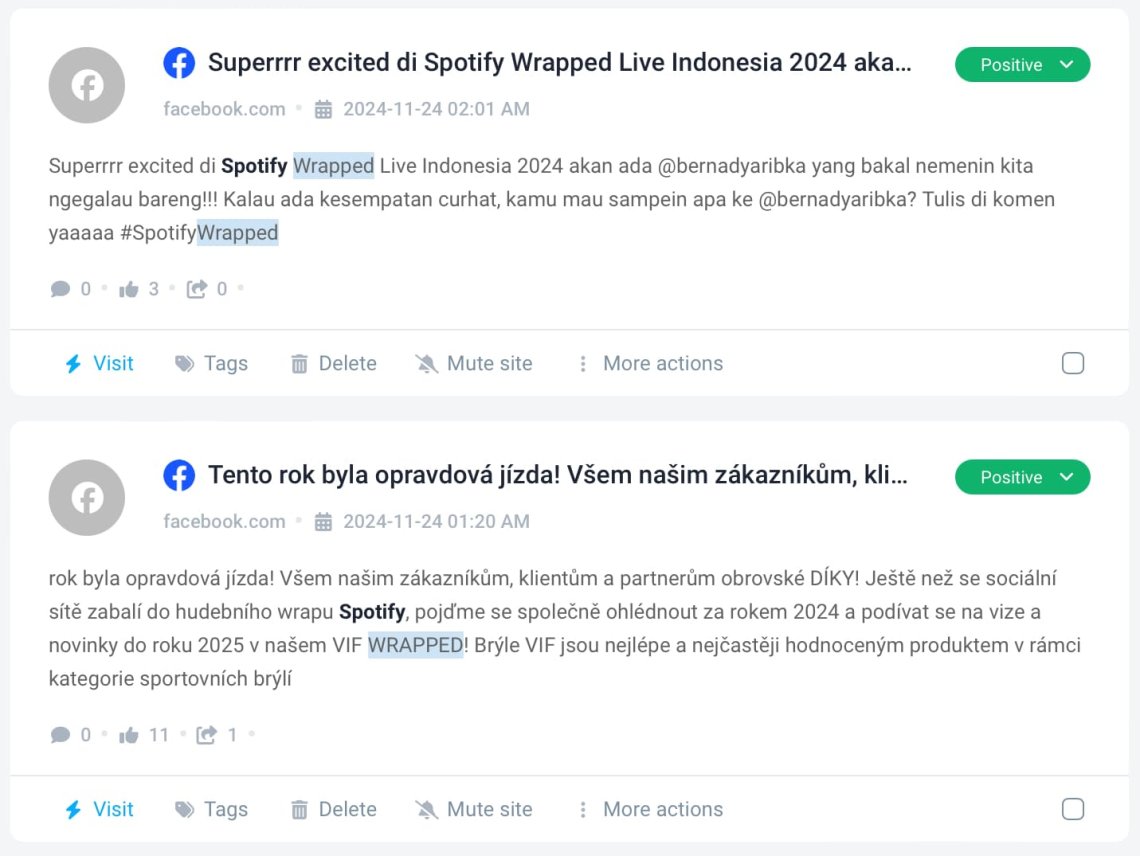
They’re the posts where people share honest opinions without expecting the brand to be listening.
02 Collaborate with creators your audience already follows
Influencer mentions are among the most shareable content on Facebook.
When a creator talks about a brand as part of a real post (not a clearly labeled ad) their audience tends to continue the conversation.
The key is it happens genuinely.
So, choose creators who already talk about your niche, not just those with the biggest follower counts.
| What to look for | Why it matters |
|---|---|
|
1
Engagement rate > follower count |
10K followers + 8% engagement beats 100K + 0.5% every time |
|
2
Niche relevance |
Relevance drives real mentions, not just reshares |
|
3
Natural brand integration in past content |
Shows they know how to talk about products without it feeling forced |
Once you’ve identified creators with strong engagement rates and genuine niche alignment, use a social listening tool to confirm they’re already part of conversations your audience is in.
That way, your outreach starts from a warm context, not a cold pitch.
You can filter that in an Influencer Tab > Mentions:
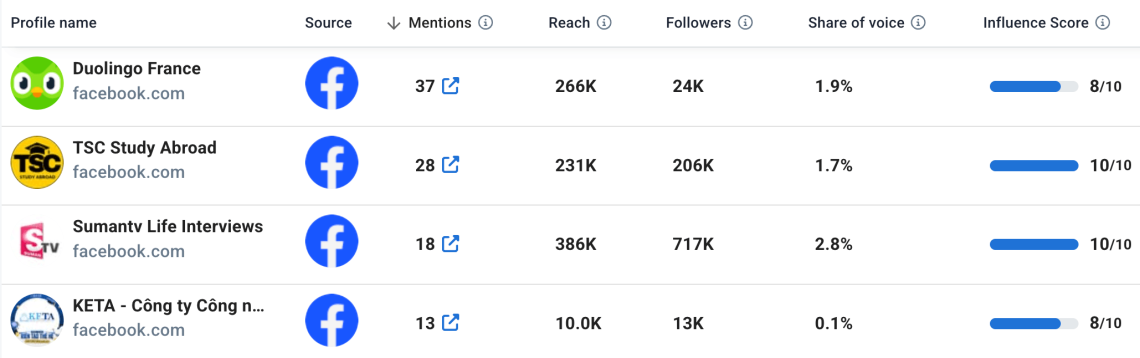
By choosing influencers who resonate with your brand, you will see higher engagement rates and increased brand awareness.
03 Post content worth talking about
This sounds obvious, but it’s worth being specific.
Not all content that performs well for reach generates mentions.
Content that drives mentions tends to be one of three things:
- Emotionally resonant – something that made people feel proud, surprised, or genuinely understood
- Opinion-triggering – a take specific enough to agree or disagree with publicly
- Recognition-worthy – content where the natural reaction is “I need to send this to someone”
A post with 50K reach and 12 comments generates fewer mentions than one with 8K reach and 200 comments.
So, aim for depth over breadth.
04 Study your Competitors
Keep friends close but enemies closer.
It’s a strategic point to enhance visibility and position your company within the industry.
Keep an eye on your competitors’ strategies. Analyze the type of content they’re posting, their engagement rates, and how often they’re posting.
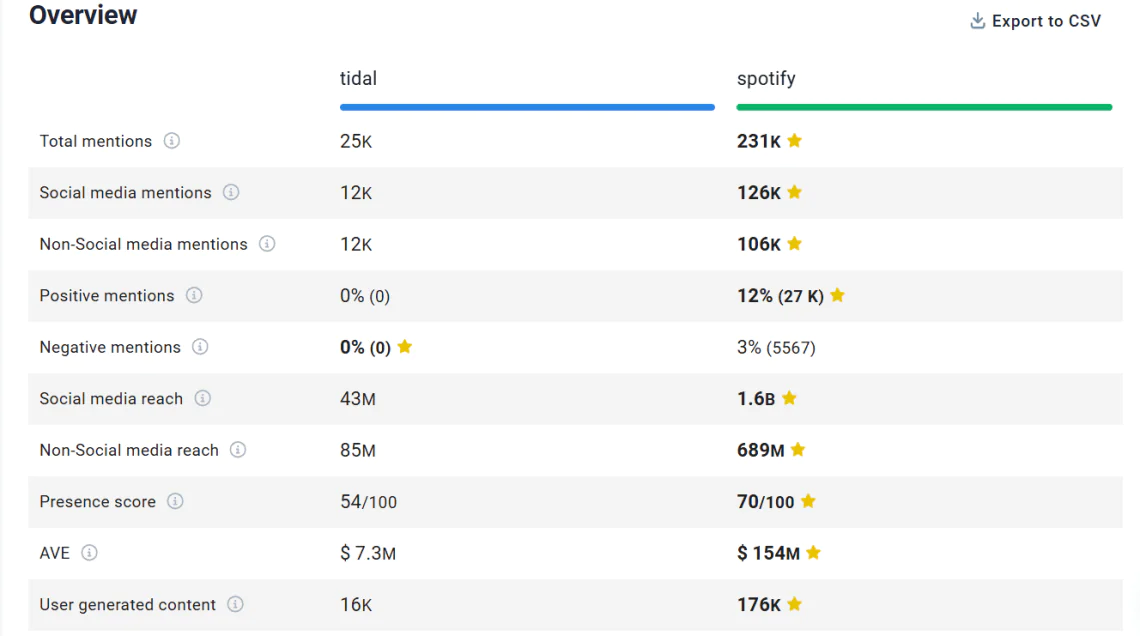
Benefits:
- Finding gaps in the market
- Providing insights into the industry
- Strategy
- Weaknesses and strengths
05 Share UGC
When a customer posts about your product and you reshare it, two things happen: they feel seen, and their network sees your brand in context.
UGC creates a compounding loop:
- Customer mentions you → you reshare and credit them
- Their friends see your brand in a real-life context
- Some of them create their own posts → more mentions
Authentic posts from real users, even short ones, consistently outperform studio-produced content in engagement.
People want to hear a real person saying something authentic.
06. Engage on Facebook Groups
Groups are one of the most mention-dense environments on Facebook.
People are more candid, more engaged, and more likely to recommend (or critique) brands by name.
You don’t need to run a group to benefit.
Here’s what I suggest:
- Find the right groups: Search Facebook for 5-10 groups in your niche with 1K-50K members. Smaller groups may have higher engagement density, so don’t skip them. A 5K-member group with active daily posts beats a 200K-member group where silence is the only sound.
- Spend the first two weeks only commenting: Answer at least 3 questions per week with specific, experience-based responses. Not “great question, it depends”, but actual specifics. (“We tested this with our onboarding flow and saw a 22% drop in churn.”)
- Share your content only when it directly answers an explicit question. Not to promote, but to help!!!
When you become a recognizable presence in the right groups, members start mentioning your brand in response to each other’s questions.
That’s real visibility, and it compounds over time.
07 Run campaigns that make mentioning easy
The best mention campaigns are “tag a friend”.
Just joking!
The best ones create situations where mentioning your brand is the natural part of participating.
Examples that work:
- “Share the best [outcome your product helps with] tip you’ve learned this year” → people share experiences that naturally reference you
- A question where the honest answer involves your product or service
- A challenge where the result is worth showing off, and showing off involves tagging you
The goal isn’t viral reach for its own sake.
It’s giving people a specific, low-effort reason to mention you in a context that reinforces your brand positioning.
08. Monitor untagged mentions & join the talk
Most brand mentions on Facebook are comments in threads, posts in groups, and shared articles where someone writes your brand name in plain text and keeps scrolling.
If you’re only checking notifications, you’re missing most of the conversation.
Untagged mentions are worth monitoring for three reasons:
- They’re often more candid – the complaints and recommendations that weren’t directed at you
- Responding to them creates a genuine surprise effect (the brand actually noticed)
- They’re the most likely to contain competitive insights and unfiltered feedback
💡 Pro tip: Set up a real-time alert for spikes in untagged negative mentions. A thread gaining traction can turn into a news story faster than you’d expect. Getting in early makes all the difference.
For a full breakdown of how to track and analyze what you find, this guide on Facebook mentions covers the monitoring side in detail.
Conclusion
There’s no one-size-fits-all solution for increasing mentions on Facebook, but these tips can help simplify the process.
Success on Facebook comes from a combination of strategies, experimentation, and data. You must understand your audience, create valuable content, and optimize your profile accordingly.
To speed things up, several AI-powered media monitoring tools can streamline the process.
FAQ
Because search has changed, and mentions are now part of how AI systems decide which brands to recommend.
LLMs like ChatGPT, Perplexity, and Google’s AI Overviews don’t just crawl your website. They pull from the broader web: social media conversations, forums, review sites, and news. According to Ahrefs research on 75,000 brands, branded web mentions show the strongest correlation with AI Overview visibility (0.664).
Indirectly, yes. Facebook’s algorithm doesn’t count raw mention volume as a direct reach signal the way it counts likes or shares. But mentions drive engagement – comments, replies, and @references within threads. And engagement is exactly what Facebook rewards with distribution.
Facebook’s native notifications only show tagged mentions, and only of your own page.
To catch untagged mentions (posts and comments that name your brand in plain text), you need a social listening tool.
Fast and without being defensive. Acknowledge the issue, offer to resolve it, and move the conversation to a private channel if it involves personal details or a complex complaint.
Yes, and it’s one of the most useful things you can do before building your own mention strategy. Monitoring competitor mentions shows you what topics, campaigns, and product features are generating conversation in your niche.


