Table of contents
2M Marketers

-
Engage through channels, groups, and bots use groups for discussions, bots for automation, and channels for storytelling to build loyal audiences. -
Mini‑apps unlock new opportunities Telegram now allows brands to sell products, run loyalty programs, or gamify experiences without leaving the app, turning engagement into revenue. -
Advertising works best when layered and relevant. From ad revenue sharing and Telegram Stars to paid subscriptions and mini‑app sales. Combine native ads, bot interactions, and channel partnerships to create campaigns that feel natural, not intrusive.
Using Telegram for marketing
|
2
|
|
|
3
|
|
|
4
|
|
|
5
|
|
|
6
|
|
|
7
|
|
|
8
|
|
|
9
|
|
|
2
|
|
|
3
|
|
|
4
|
|
|
5
|
|
|
6
|
|
|
7
|
|
|
8
|
|
|
9
|
|
Marketing opportunities on Telegram
Channels
Groups
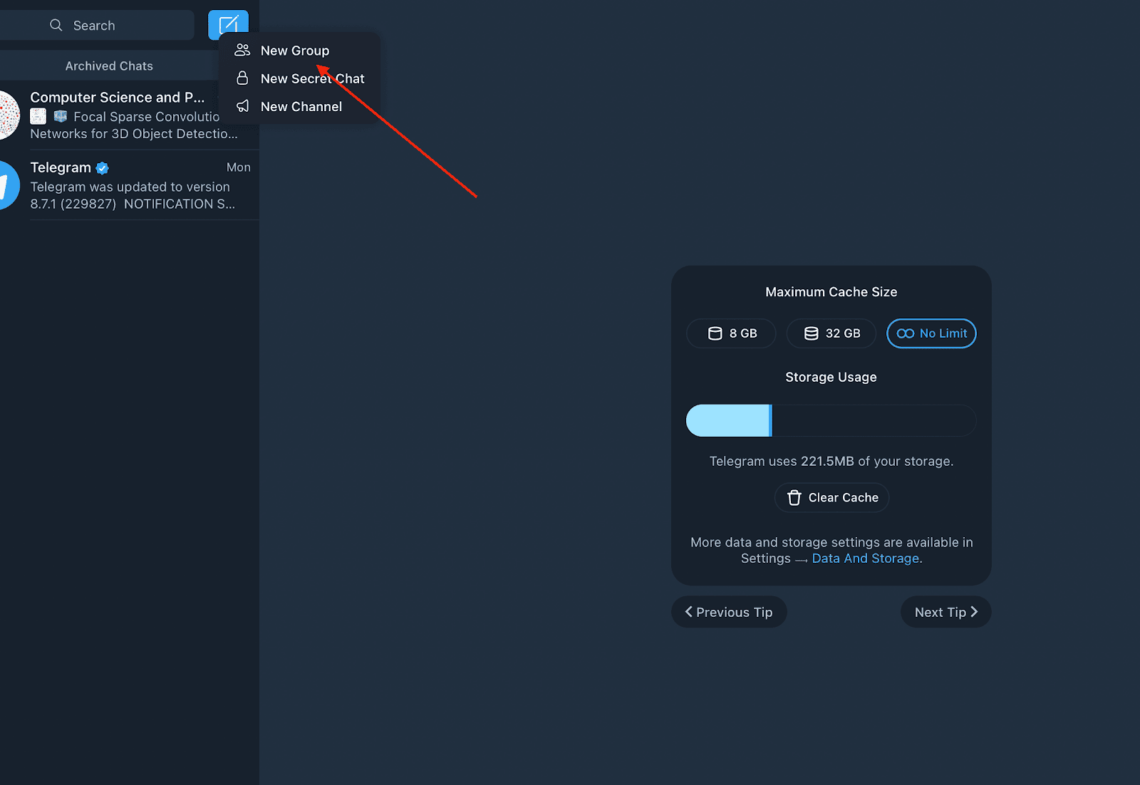

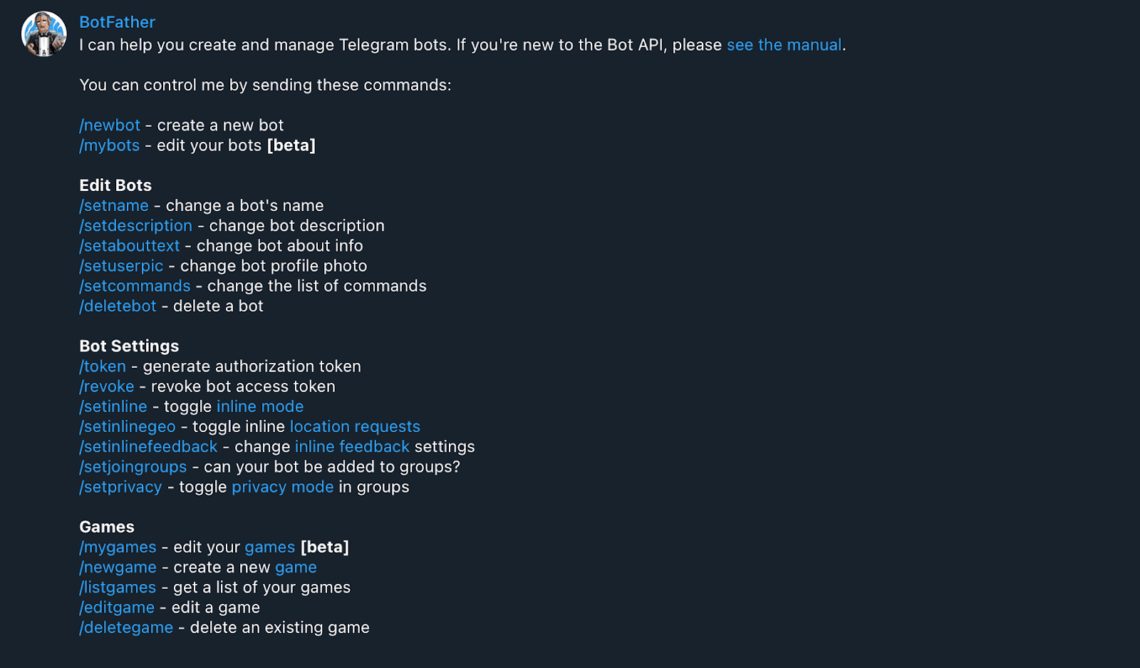
Chatbots

Mini-apps
Build visibility inside Telegram: Promote your Mini‑App through your channels and groups, share updates and exclusive features, and give your audience a reason to engage. Make it easy to find: Get your Mini‑App listed in the Telegram App Center and use clear keywords/hashtags in descriptions so users discover it organically. Boost growth with ads: Use pay‑per‑click campaigns (e.g., Telegram‑focused ad formats) to drive fast user acquisition and test creative messaging. Keep users engaged: Ask for feedback, run polls or contests, and reward active users to increase loyalty and word‑of‑mouth growth. Cross‑promote outside Telegram: Share your Mini‑App on Instagram, TikTok, or other social platforms and collaborate with influencers to reach new audiences.
Devising a marketing strategy for Telegram
Creating a business profile
Finding the right target audience
Promoting your channel
Other groups
-
1
First, find public groups that align with your target audience. There are a number of ways to do this, including searching for relevant keywords and browsing group directories. -
2
Once you've found some promising groups, take some time to read through the messages and get a feel for the tone and culture of the group. -
3
If the group seems like a good fit for your message, reach out to the group's administrator and ask if you can post about your product or service. -
4
When posting in the group, be respectful of the other members and follow any guidelines that have been set by the administrator. -
5
Finally, don't forget to include a call-to-action in your post. In this case, the link to your channel.
Telegram Ads
Social media
Cross-promotion
-
1
Find relevant groups and channels to partner with. Make sure that the groups and channels you choose are relevant to your business and target audience. -
2
Reach out to the group or channel administrators and pitch your idea. Once you've found a few potential partners, reach out to them and explain your idea. Be clear about what you're offering and what you expect in return. -
3
Promote your partners' content in your own group or channel. Once you've partnered with a few other groups or channels, start promoting their content in your own group or channel. This will help to increase exposure for both businesses. -
4
Keep an eye on your metrics. Make sure to track your metrics so you can see how effective your cross-promotion campaign is. This will help you adjust your strategy as needed to ensure maximum success.
Paid social media ads
-
1
Use relevant keywords and hashtags in your ads. This will help potential customers find your channel when they're searching for information on Telegram. -
2
Promote your channel on other social media platforms such as Facebook, Twitter, and LinkedIn. This will help generate interest in your channel and encourage people to follow you. -
3
Use attractive visuals in your ads, such as photos or videos of your products or services. This will help capture attention and make your ad more engaging. -
4
Make sure your ad copy is clear and concise and includes a call-to-action that tells people what you want them to do (e.g., follow your channel).
Website
Monitoring Telegram for data-driven decisions
-
1
Monitor brand mentions in real time -
2
Track competitors’ moves -
3
Analyze customer sentiment -
4
Detect crises early -
5
Engage with customers and build relationships -
6
Spot trends before they go viral -
7
Automate monitoring & reports -
8
Find key influencers -
9
Make data-driven decisions