Table of contents
2M Marketers

Growing brand awareness isn’t a single-channel game. You need SEO, social listening, content, PR, email, and more, all working together.
I’ve been using and testing tools in this space for years, and one thing comes up again and again: the lines between categories are blurry. Many tools help with more than one part of brand awareness, whether that’s building visibility, measuring it, or both.
With that in mind, here are the 9 best brand awareness tools worth your attention.
What are the best brand awareness tools?
| Tool | Category | Best For | Pricing |
|---|---|---|---|
|
1
 |
Social Listening |
Tracking brand mentions & Presence Score |
From $199/month |
|
2
 |
Lead Generation |
Interactive campaigns & giveaways |
From $19/month |
|
3
 |
Social Media Management |
Publishing, scheduling & engagement |
From $199/seat/month |
|
4
 |
SEO |
Keyword research & competitive analysis |
From $117/month |
|
5
 |
AI Visibility |
AI brand visibility tracking |
From $99/month |
|
6
 |
PR |
Media outreach & press releases |
From $149/month |
|
7
 |
Email Marketing |
Email campaigns & newsletters |
From $13/month |
|
8
 |
Surveys |
Brand perception research |
From $30/user/month |
|
9
 |
Influencer Marketing |
Finding and managing brand ambassadors |
Pricing upon request |
I started with a longlist of 40+ tools across 9 brand awareness categories — social listening, social media management, SEO, content optimization, PR, email marketing, surveys, lead generation, and influencer marketing. I narrowed that to the 9 tools that cover the most ground for the most common use cases, without unnecessary overlap between categories. Each tool was evaluated on functionality, ease of use, pricing transparency, active development, and verified user reviews on G2 and Capterra.
01 Brand24 – social listening tool
14 days / Free trial
From $199 / Month
4.6/5
G2 (365 reviews)
4.7/5
Capterra (255 reviews)
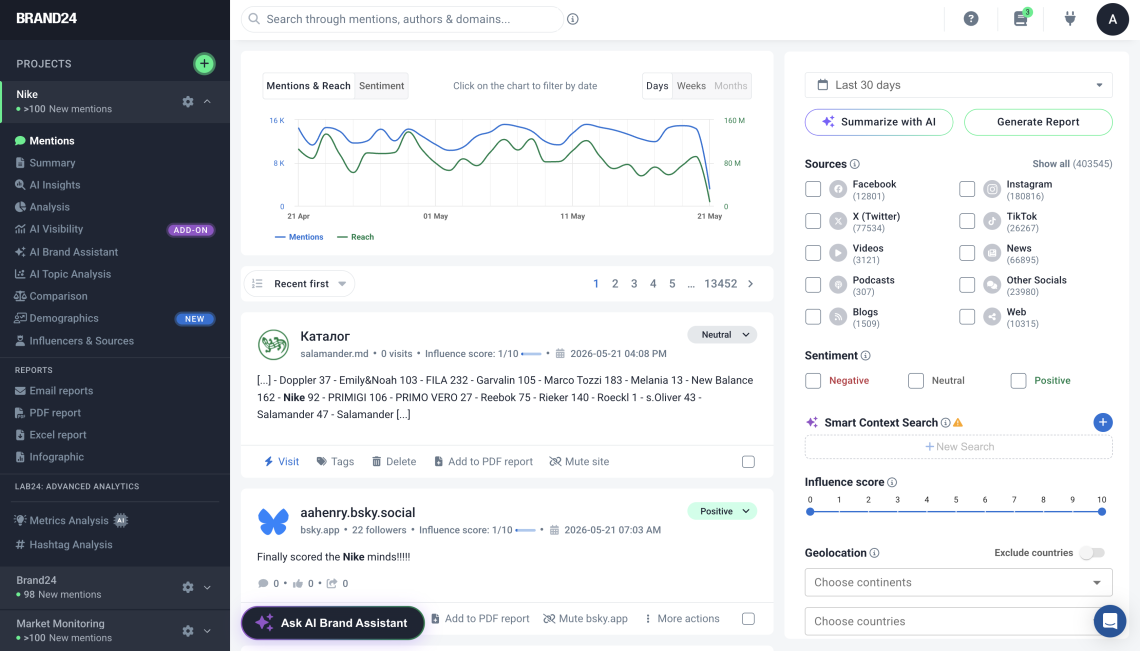
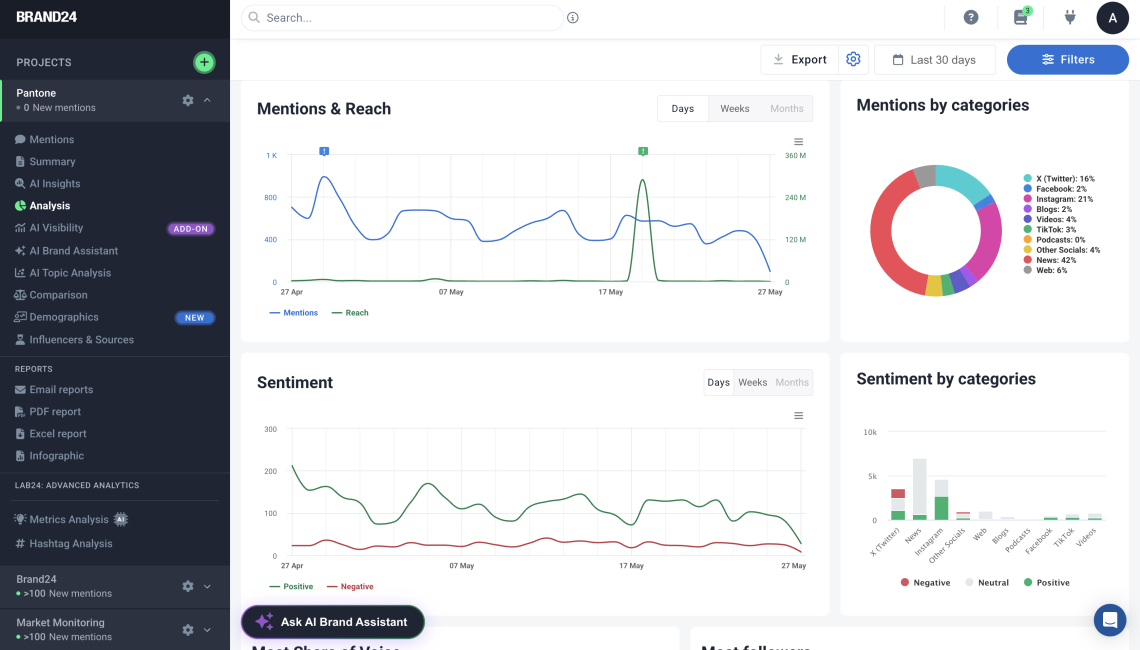
Brand24 is a social listening tool that tracks brand mentions across the web in real time — social media, news, blogs, review sites, forums, and podcasts.
For brand awareness, it’s one of the most direct measurement tools available. You’re not guessing whether people know you — you can see it.
Key brand awareness metrics inside Brand24:
- Presence Score
- Volume of mentions
- Social media reach and non-social reach
- Share of voice
- Sentiment analysis
- Social media engagement
The Presence Score is genuinely my favorite metric here. It turns the abstract concept of “brand awareness” into a number you can track week over week. When we launched a new campaign at Brand24, watching that score move in real time was oddly addictive.
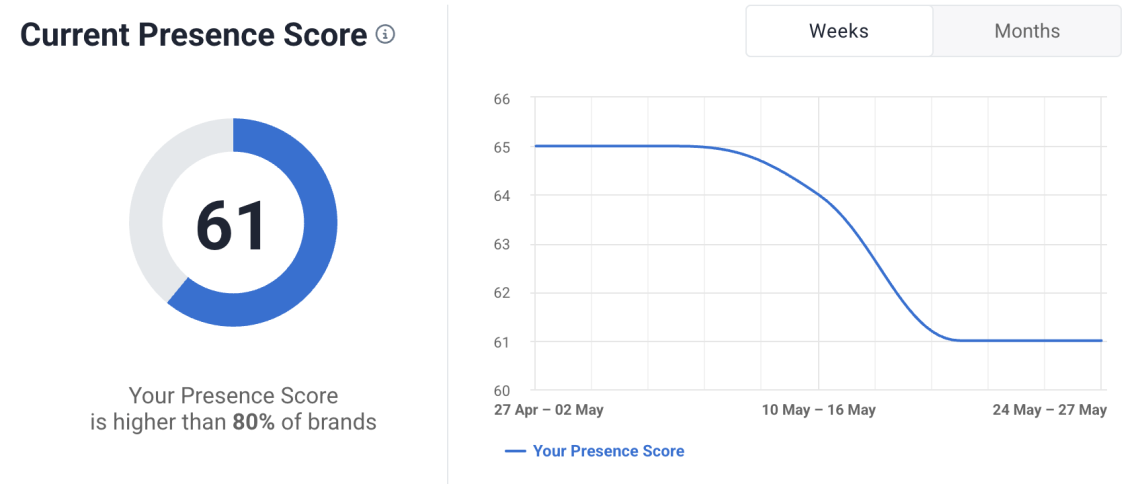
Brand24 also uses AI to surface insights automatically — it can detect unusual spikes, emerging topics, and shifts in sentiment without you having to manually dig through thousands of mentions.
Why I picked Brand24?
I rely on Brand24 because it gives me real-time insights into how people talk about my brand across social media, news, blogs, and forums.
Key features:
- Real-time mention monitoring across 25+ sources
- AI Brand Assistant (chat interface powered by your monitoring data)
- Sentiment and emotion analysis
- Presence Score and Share of Voice metrics
- Custom PDF and shareable online reports
- Slack and email alerts
✅ Pros:
- Tracks brand awareness beyond your own channels.
- Helps connect sudden visibility spikes with campaigns, PR, or viral moments.
- Adds context to growth with sentiment and conversation analysis.
- Provides awareness-specific metrics like Presence Score, reach, mention volume, and Share of Voice.
❌ Cons:
- Focuses on online awareness, so it won’t capture offline recognition.
- Mention volume can be influenced by short-term events or viral spikes.
- Doesn’t measure aided or unaided recall, so surveys still fill an important gap.
Best for: Mid-sized businesses, agencies, and enterprises tracking brand awareness campaigns.
02 Woorise – lead generation platform
14 days / Free trial
From $19 / Month
4.6/5
G2 (123 reviews)
4.7/5
Capterra (58 reviews)
Woorise is a lead generation platform built around interactive marketing campaigns. If you want to grow your audience while simultaneously generating brand awareness — think viral giveaways, contests, and referral campaigns — this is a smart pick.
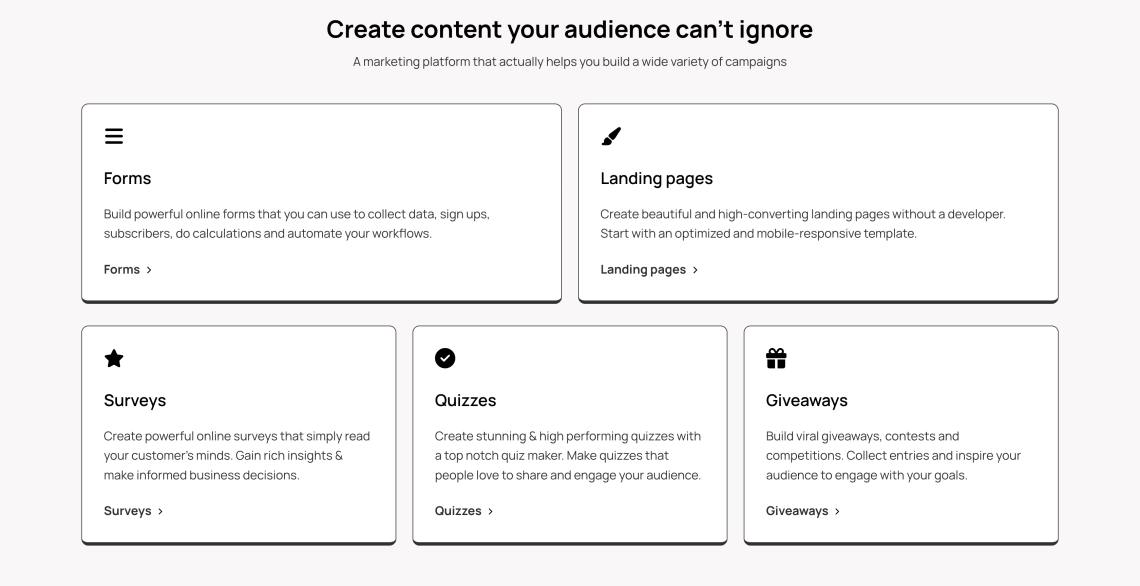
The platform handles everything from landing page creation to form building, surveys, quizzes, and payment collection. It’s particularly effective for turning a campaign into something people want to share.
Why I picked Woorise?
Most brand awareness tools on this list measure visibility after it happens. Woorise stands out because it tackles the other side of the problem: getting more people to discover and interact with your brand in the first place.
Key features:
- 100+ landing page, form, and survey templates
- Viral giveaways and contest tools
- Refer-a-friend campaigns
- Multi-page forms and quiz maker
- Personalized email notifications
- Multilingual support
✅ Pros:
- Helps campaigns reach more people through referrals and sharing.
- Gives you measurable campaign engagement.
- Let’s you collect engagement and lead data alongside awareness activity.
❌ Cons:
- Better for creating awareness than measuring overall brand awareness.
- Results depend heavily on campaign participation, so it gives you a narrower view than listening or survey tools.
- Less useful for tracking awareness between campaigns.
Best for: E-commerce brands, creators, and agencies running engagement-driven awareness campaigns.
03 Sprout Social – social media platform
30 days / Free trial
From $19 / Month
4.4/5
G2 (6,874 reviews)
4.4/5
Capterra (609 reviews)
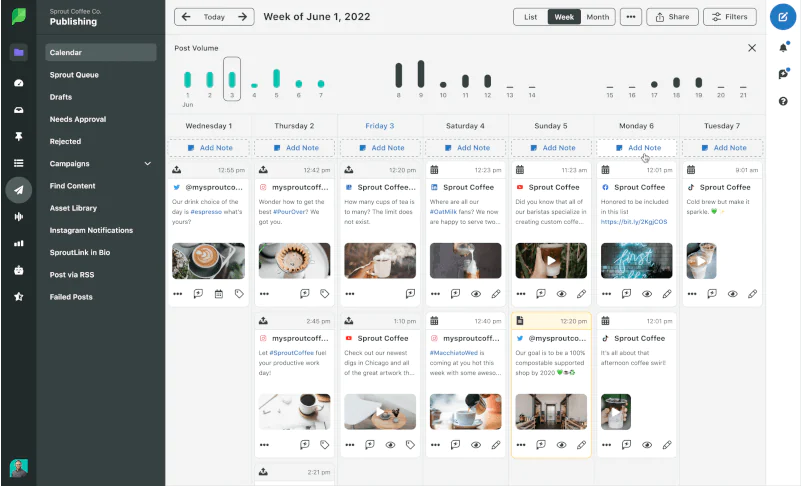
Sprout Social sits at the intersection of publishing, analytics, and social listening. For brand awareness, it covers the “build and measure” loop well — schedule your content, track who’s engaging, and analyze what’s resonating.
The platform’s optimization algorithms suggest optimal posting times, and its URL tracking gives you visibility into how social traffic behaves downstream.
Why I picked Sprout Social?
In my opinion, Sprout Social is one of the best all-in-one tools; its analytics and reporting make it easy to understand what drives brand awareness and optimize strategy.
Key features:
- Content publishing and scheduling across networks
- Keyword and hashtag monitoring
- Sentiment analysis and Share of Voice tracking
- Competitive benchmarking
- Social media performance reporting
✅ Pros:
- Makes it easier to connect social performance with changes in brand awareness.
- Competitive benchmarking helps put your social visibility into context.
- Highlights which content or campaigns are generating the most reach and engagement.
❌ Cons:
- Gives you a mostly social-media view of brand awareness.
- Awareness insights depend on the networks and data sources you’re tracking.
- Its broad feature set may be more than you need if brand awareness measurement is your main goal.
Best for: B2B teams and agencies managing multi-platform social presences.
04 Semrush – all-in-one SEO tool
Demo only
From $117 / Month
4.4/5
G2 (4,043 reviews)
4.6/5
Capterra (2,329 reviews)
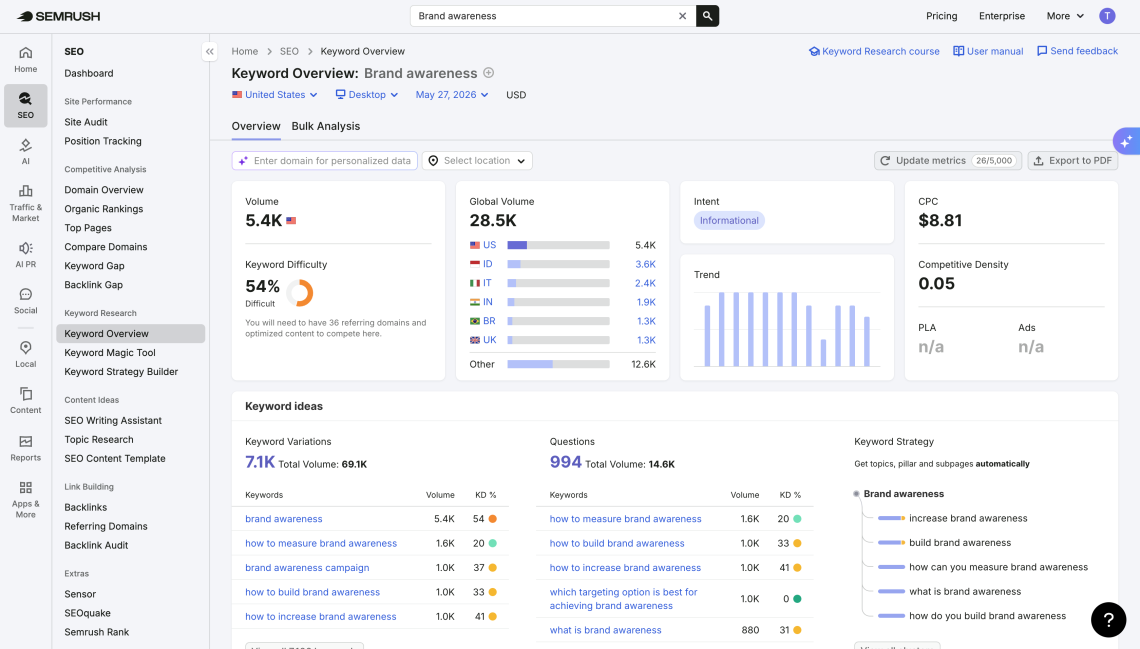
If brand awareness through organic search is a priority (and it should be), Semrush is one of the most comprehensive tools on the market. It covers everything from keyword research and backlink auditing to competitive analysis and content planning.
A brand that ranks for relevant searches doesn’t have to fight for attention — it’s already in front of people actively looking. Semrush helps you get there and stay there.
Why I picked Semrush?
I use Semrush because it helps me increase brand awareness by improving my online visibility across search engines, LLMs, and digital channels.
Key features:
- Keyword research and SERP analysis
- Domain authority and backlink auditing
- Competitive research and domain comparison
- On-page and technical SEO tools
- Content marketing toolkit (available on Guru plan and above)
✅ Pros:
- Shows how often your brand appears in search results.
- Helps track whether more people are searching for your brand name over time.
- Lets you compare your visibility with competitors.
- Backlink and ranking data can show whether your brand is gaining authority and exposure.
❌ Cons:
- Focuses mainly on search visibility, so it won’t give you a full picture of brand awareness.
- Strong rankings don’t necessarily mean people remember or recognize your brand.
- Gives you indirect signals rather than a direct measure of brand awareness.
Best for: Marketing teams, SEO professionals, and businesses investing in organic brand visibility.
05 Chatbeat – AI visibility tracking tool
10 days / Free trial
From $99 / Month
Chatbeat is the tool I recommend to anyone who wants to measure brand visibility across leading AI assistants and AI search engines, including ChatGPT, Gemini, Claude, Perplexity, and DeepSeek.
Rather than monitoring what people say online, it monitors what AI models say about your brand.
And the stronger the brand, the better your chances of appearing in those AI-generated answers. AI systems learn from information available online, so brands that are frequently mentioned and consistently associated with certain topics are easier for them to recognize and recommend.
Why I picked Chatbeat?
I rely on Chatbeat because it provides me with actionable insights into how the brand is represented in AI-generated responses, helping me improve brand citations and drive more customers to discover products today.
Key features:
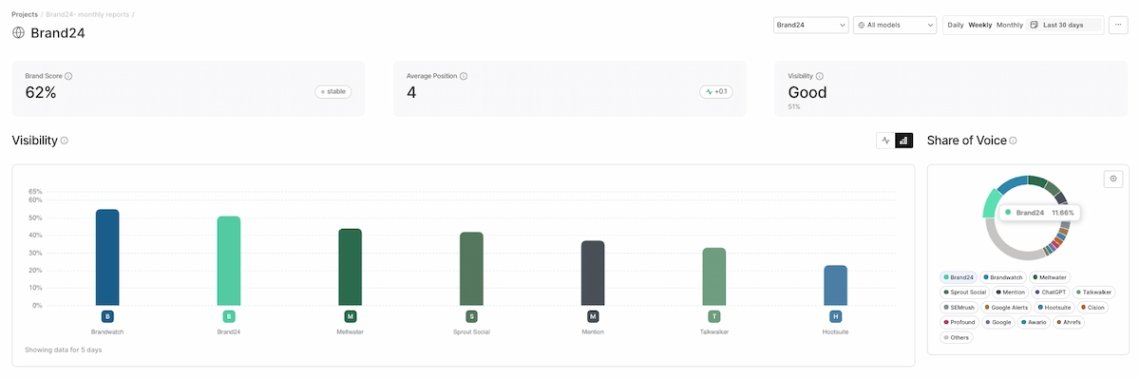
- AI brand visibility tracking
- Brand Score & Share of Voice
- Competitor benchmarking
- Sentiment analysis
- Source analysis
- Prompt discovery
✅ Pros:
- Shows how often your brand appears in AI-generated answers.
- Puts your AI visibility in context relative to competitors.
- Reveals which websites influence how AI tools represent your brand.
- Points to the questions and topics where your brand is visible or missing.
❌ Cons:
- Only covers brand awareness within AI search and assistants.
- AI answers can change between prompts and platforms, so results need regular tracking.
- Doesn’t show whether people actually recognize or remember your brand.
Best for: SEO and marketing teams wanting to improve the number of AI citations.
06 Prowly – PR tool
Demo only
From $149 / Month
4.2/5
G2 (111 reviews)
3.8/5
Capterra (19 reviews)
Getting press coverage is one of the fastest ways to build brand awareness with audiences you don’t already reach.
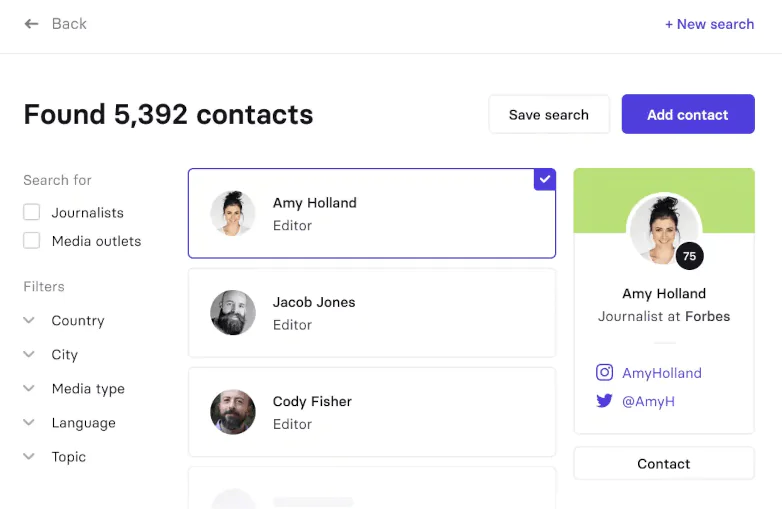
Prowly makes the PR workflow more manageable — finding journalists, pitching stories, publishing press releases, and tracking media coverage.
One important note: Prowly is now part of the Semrush AI PR Toolkit, so its PR features are accessed through Semrush rather than as a separate subscription.
Why I picked Prowly?
Prowly can help you boost brand awareness through effective PR campaigns and media outreach. It makes it easy to connect with relevant journalists and track the impact of my communications efforts.
Key features:
- Media database with journalist contacts
- Email pitching and outreach tool
- Press release publishing
- Online newsroom
- Media monitoring and PR reports
✅ Pros:
- Helps get your brand in front of new audiences through media coverage.
- Combines outreach and media monitoring into a single workflow.
- Shows which publications and journalists are generating visibility for your brand.
❌ Cons:
- Focuses mainly on PR-driven awareness, so it won’t show the full picture.
- Results depend heavily on the quality of your outreach and story angles.
Best for: PR teams and agencies managing media outreach for brand awareness campaigns.
07 Mailchimp – email marketing tool
14 days / Free trial
From $13 / Month
4.3/5
G2 (18,428 reviews)
4.5/5
Capterra (17,681 reviews)
Email marketing might not feel as exciting as social or influencer campaigns, but a growing newsletter audience is a genuinely durable asset for brand awareness. People who voluntarily subscribe are already aware — the goal is to deepen that relationship.
Mailchimp currently holds the largest share of the email marketing software market tracked by Datanyze, at 49.1%. It’s also used by more than 11 million users. And for a reason: it’s accessible, powerful enough for most teams, and integrates with almost everything.
Why I picked Mailchimp?
Mailchimp is an interesting tool because it helps build lasting relationships with the target audience through personalized email campaigns and marketing automation.
Key features:
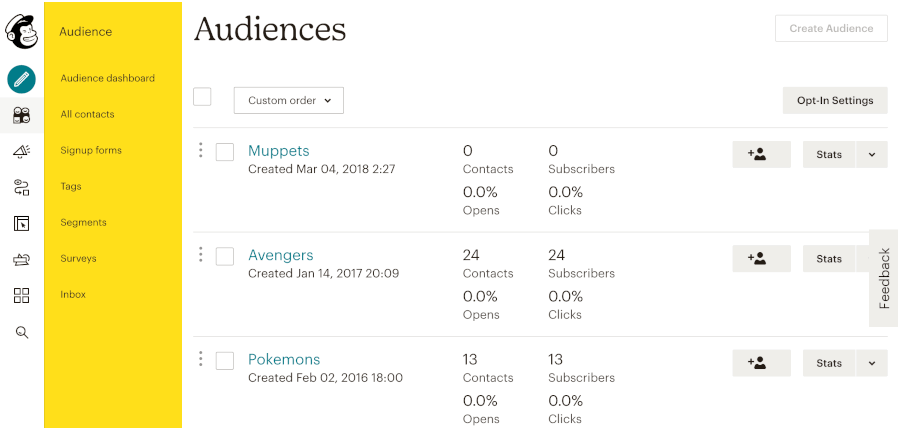
- Drag-and-drop email templates
- Behavioral targeting and advanced segmentation
- A/B testing and send-time optimization
- Multi-step automation workflows
- Performance analytics
✅ Pros:
- Helps reinforce brand awareness with existing subscribers.
- Strengthens recognition over time through regular campaigns.
- Lets you tailor messages to different audience groups.
- Performance data shows which emails keep subscribers engaged with your brand.
❌ Cons:
- Mainly works with an audience you’ve already acquired.
- Doesn’t show how aware people outside your email list are of your brand.
- Not a direct measure of brand awareness.
Best for: Small to mid-sized businesses building and nurturing an email subscriber base.
08 SurveyMonkey – online survey tool
Free plan available
From $30 / User / Month
4.4/5
G2 (23,906 reviews)
4.6/5
Capterra (10,508 reviews)
You can track mentions and monitor social media all day, but to understand how people actually perceive your brand, you need to ask them.
Brand perception surveys fill in the gaps that analytics tools can’t, especially when you want to see whether your brand identity comes through the way you intended.
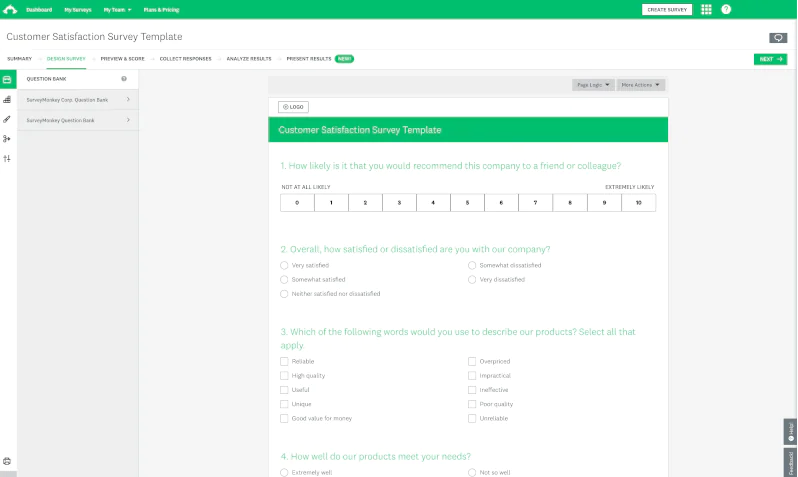
SurveyMonkey makes it easy to create surveys, distribute them across multiple channels, and turn responses into charts and summaries your team can act on.
Why I picked SurveyMonkey?
I chose SurveyMonkey because it’s one of the easiest ways to add direct audience research to a brand awareness stack. Instead of relying only on reach, mentions, or traffic, you can ask people whether they recognize your brand, what they associate it with, and which competitors come to mind first.
Key features:
- 250+ survey templates, including brand awareness templates
- Multiple question types (NPS, multiple choice, open-ended, rating scales)
- Custom branding and logo placement
- Data analysis and automated reporting
- Distribution via email, link, mobile, and social media
✅ Pros:
- Measures brand recognition and recall directly.
- Helps uncover how people actually perceive your brand.
- Useful for tracking changes in awareness before and after campaigns.
- Open-ended responses can reveal why people remember or prefer certain brands.
❌ Cons:
- Results depend heavily on survey quality and sample size.
- Responses can be biased if your audience isn’t representative.
Best for: Marketing and research teams measuring brand recognition, recall, and perception.
09 Upfluence – influencer marketing platform
Demo only
Pricing upon request
4.6/5
G2 (140 reviews)
4.4/5
Capterra (44 reviews)
Influencer marketing remains one of the most effective channels for reaching new audiences and building brand awareness fast — especially when you work with creators whose audiences genuinely trust them.
And the numbers back it up. According to Influencer Marketing Hub, 81.2% of marketers surveyed in 2025 considered influencer marketing highly effective.
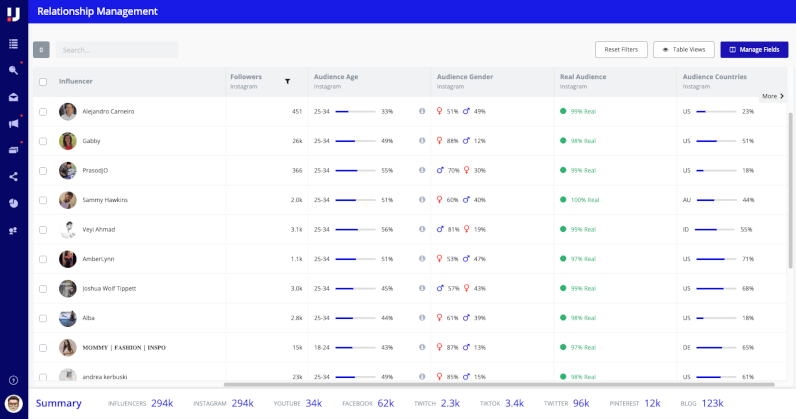
Upfluence helps you find, analyze, and manage influencer relationships at scale. Because it surfaces performance metrics for each influencer, you can choose collaborators based on fit rather than just follower count.
Why I picked Upfluence?
Upfluence helps marketers find the right influencers to introduce their brands to the right audiences. That’s a great way to increase brand awareness and reach potential customers effectively.
Key features:
- Influencer discovery and audience analysis
- Campaign management and brief creation
- Affiliate and payment management
- Performance tracking and ROI reporting
✅ Pros:
- Helps brands reach new audiences through relevant creators.
- Audience data can reduce the risk of choosing influencers based solely on follower count.
- Campaign tracking shows which partnerships generate the most reach and engagement.
❌ Cons:
- Mainly measures awareness generated through influencer activity.
- Results depend heavily on creator fit and campaign execution.
Best for: Brands investing in influencer-driven awareness campaigns.
Pro tip: You can also use a social listening tool to discover organic brand advocates — public profiles that already talk positively about your brand — before approaching them for a formal partnership.
How to measure brand awareness using analytics tools?
Building brand awareness is one thing. Knowing whether it’s working is another.
There are three types of tools that help you measure the impact on brand performance:
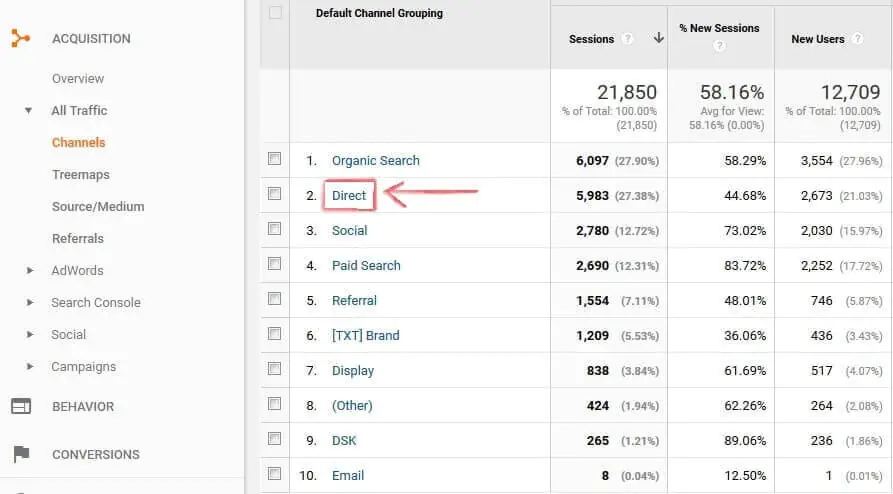
- Analytics tools (Google Analytics, Heap) track referral and direct traffic — meaning users who remembered your brand and navigated directly to your website. Rising direct traffic is one of the clearest signals that awareness is growing.
- Social listening tools (Brand24) track mention volume, reach, Share of Voice, sentiment, and the Presence Score metric. If you’re running an awareness campaign and want to know whether it’s moving the needle, this is your real-time dashboard.
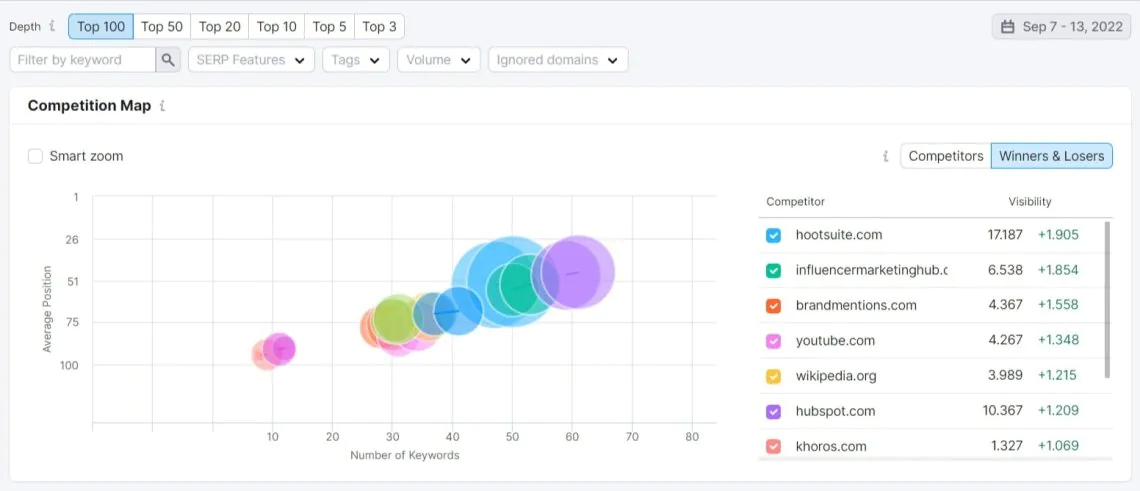
- SEO tools (Semrush, Ahrefs) measure branded search volume, online visibility, and backlinks. A growing number of people searching your brand name directly is one of the most reliable indicators of brand awareness.
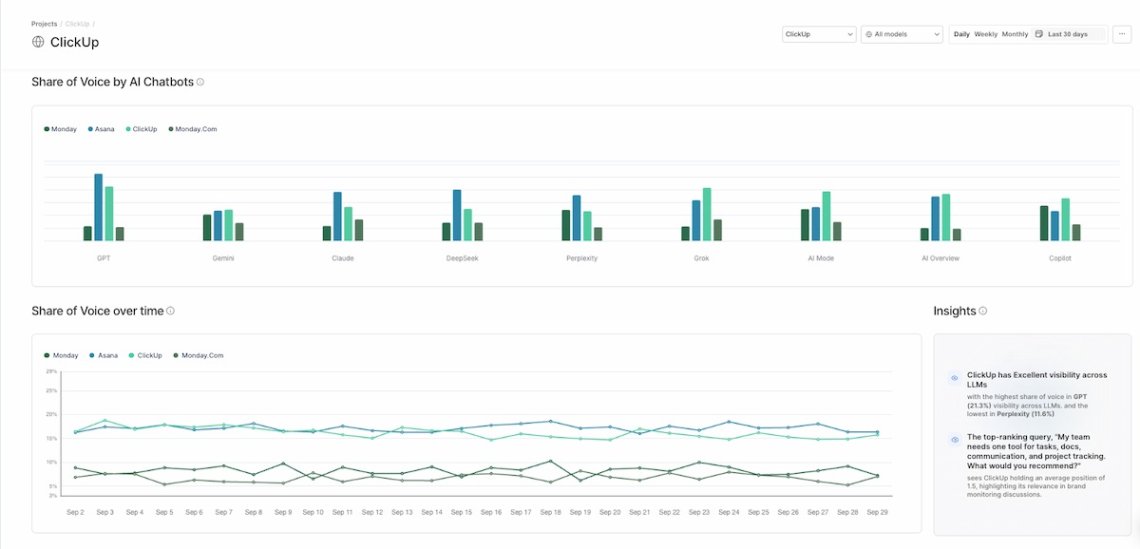
- AI visibility tools (Chatbeat) track how often your brand appears in AI-generated answers, how it compares with competitors, and which prompts or sources are driving that visibility.
Conclusion: Your brand awareness toolkit checklist
You don’t need all nine tools. But most businesses benefit from at least one tool in each of these categories:
- 1 Social listening — to track what people are saying about your brand (Brand24)
- 2 Social media management — to publish consistently and build presence (Sprout Social)
- 3 SEO — to capture organic traffic from people searching your category (Semrush)
- 4 Email marketing — to nurture your existing audience and deepen loyalty (Mailchimp)
- 5 Survey tool — to measure brand perception directly from customers (SurveyMonkey)
- 6 PR outreach — to earn media coverage in publications your audience trusts (Prowly)
- 7 Influencer marketing — to reach new audiences through trusted voices (Upfluence)
- 8 Lead generation campaigns — to grow your audience interactively (Woorise)
If you’re a B2B brand focused on organic growth, Semrush + Brand24 is a strong starting point: one shows how visible you are in search, while the other tracks how much people are actually talking about your brand online.
For an e-commerce brand working with creators, Upfluence + Mailchimp makes more sense. Upfluence helps you reach new audiences through influencers, while Mailchimp helps you keep that new audience engaged after the campaign.
And if you’re launching a campaign designed to reach completely new people, Woorise + Prowly can help you generate attention through interactive campaigns and extend that reach through PR.
Not sure where to start? Try social listening and SEO — they give you the most visibility into what’s already happening. Build from there.
FAQ
Brand awareness tools are software platforms that help businesses increase visibility, track how well their brand is known online, and measure the effectiveness of marketing campaigns. They cover categories including social listening, SEO, content marketing, PR, email, and influencer outreach.
Social listening tools like Brand24 are among the most effective for measuring brand awareness in real time. Key metrics to track include mention volume, Presence Score, social media reach, Share of Voice, and sentiment. For longer-term trends, branded search volume in Google Analytics or Semrush is also a reliable indicator.
No. The right combination depends on your marketing channels and goals. A solid starting stack is a social listening tool (to measure what’s happening), plus an SEO tool (to grow organic visibility), plus an email platform (to retain and deepen your audience). Add influencer marketing or PR tools when you’re ready to scale reach.
SEO tools like Semrush help you rank for keywords your target audience searches for, putting your brand in front of people who don’t already know you. Over time, higher organic visibility translates into more branded searches — a direct signal that awareness is growing.
The Presence Score is a Brand24 metric that measures your brand’s online popularity over a given time period. It combines mention volume, reach, and engagement into a single number (0–100), making it easy to track the impact of awareness campaigns or benchmark against competitors.
Yes, to a degree. Google Analytics tracks branded traffic and direct visits for free. Google Alerts provides basic mention monitoring. Brand24, Semrush, and most other paid tools offer free trials ranging from 7 to 30 days, which is enough time to get a baseline reading of your brand’s current visibility.
For small businesses on a budget, a combination of Brand24 (social listening, from $199/month) and Mailchimp (email marketing, from $13/month) covers the two most important pillars: knowing what people are saying and staying in touch with the people who already know you.


